
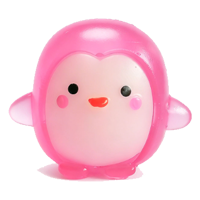

Claw Machine Squishies: What the $2.66B Market Really Measures
We make slow-rising TPR squishies in Yiwu. Two years ago a buyer's first question was about hand feel. Now a growing share of them open with a different one: will this work as a claw machine prize? That shift is showing up in our order book before it shows up in any market report, and it comes with a number that is widely quoted and rarely read properly.
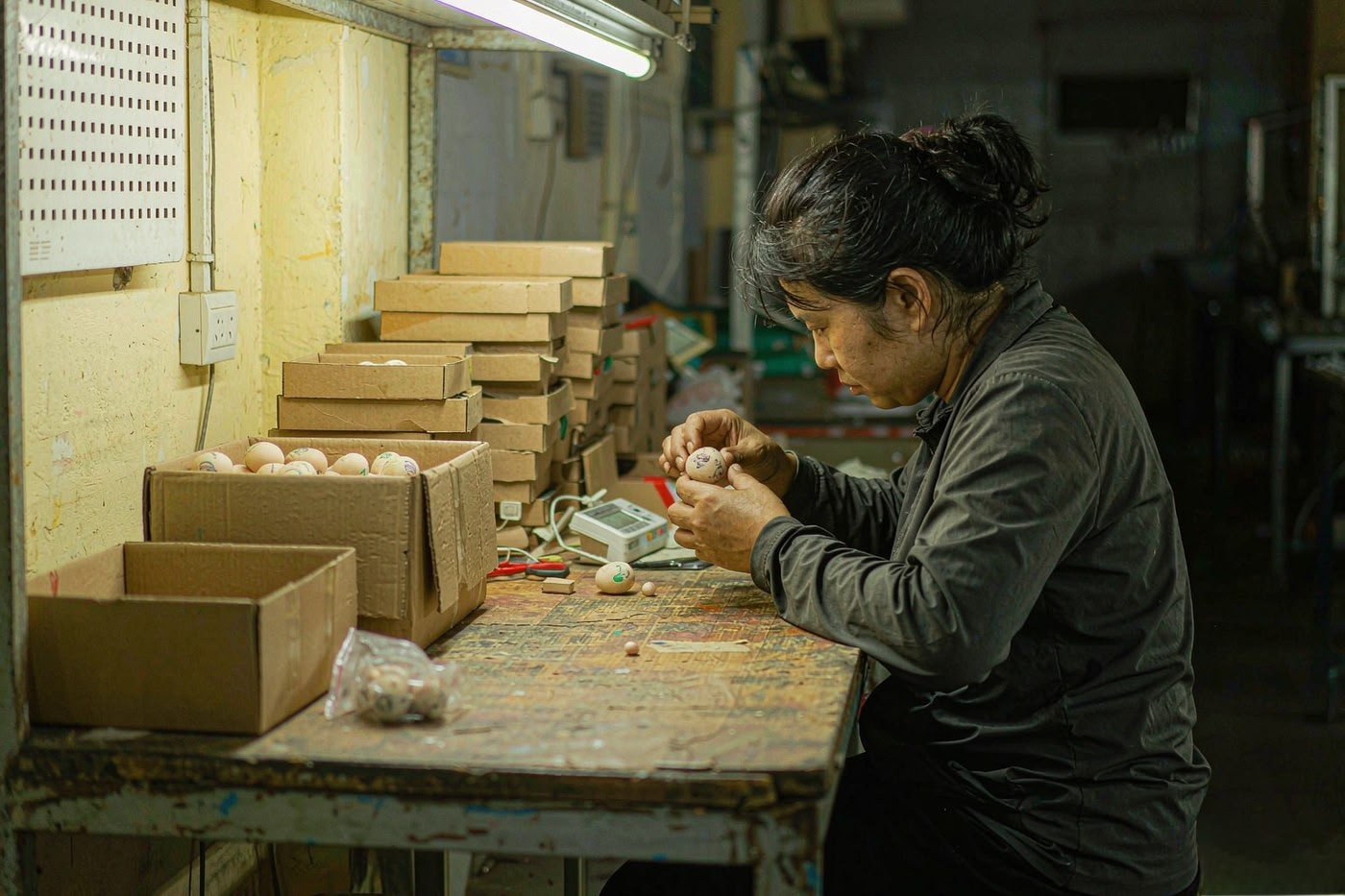
A cabinet is capital equipment. The toys inside it are a weekly operating cost.
First, get the number right
Verified Market Research puts the global claw machine market at USD 2.66 billion in its 2025 base year, forecast to reach USD 5.10 billion by 2033 at a CAGR of 8.5%. Business Research Insights, using a different base, has it rising from USD 3.21 billion in 2026 to USD 6.7 billion by 2035 at 8.6%. Two research houses, close to the same growth rate, with different absolute sizes.
Estimates in circulation run from roughly USD 2.0 billion to above USD 3.2 billion for the same period, depending on the base year and what the report counts as a machine. Some widely copied 2024-to-2032 figures come from earlier summaries of the same source. The direction is consistent; the precise headline is not.
Read the unit
These figures measure cabinets sold, not prizes bought. A claw machine is a piece of location-based entertainment equipment. The squishies inside it are consumable stock. Confusing the two leads buyers to size a prize order from a machine-market headline — and to underestimate how often that cabinet needs refilling.
There is a useful side detail in the equipment data. Business Research Insights describes newer cabinets that adjust difficulty and grip strength in response to play, with cashless payment and app connectivity. Dataintelo figures cited in a 2026 equipment buying guide put middle-type cabinets at 44.2% of the market in 2025 — the format most often bought with adjustable claw strength. More play per cabinet means more prize turnover, not just more machines.
Every cabinet is a reorder you cannot see in retail data
Retail panels track what leaves a shop shelf. They do not track what disappears from a prize bin on a Friday night. Circana, via The Toy Association, puts US toy retail sales at USD 30.3 billion in 2025, up 6% year over year. That is the rising tide. Underneath it, the prize channel behaves differently: an installed cabinet consumes stock every week, whether or not a new shape went viral.
In our order book the difference is visible. Prize buyers come back for top-ups rather than new programmes. They care less about a launch moment and more about whether the next carton matches the last one in size, hand feel and colour. A retail buyer wants a new story each season. A prize buyer wants the same reliable item, again.
- Opening order is built around a small set of shapes, not a full assortment.
- Repeat top-ups follow cabinet count and play rate, not a trend cycle.
- Batch-to-batch consistency matters more than a dramatic new texture.
- Packaging has to survive being tumbled in a prize bin before it ever reaches a player.
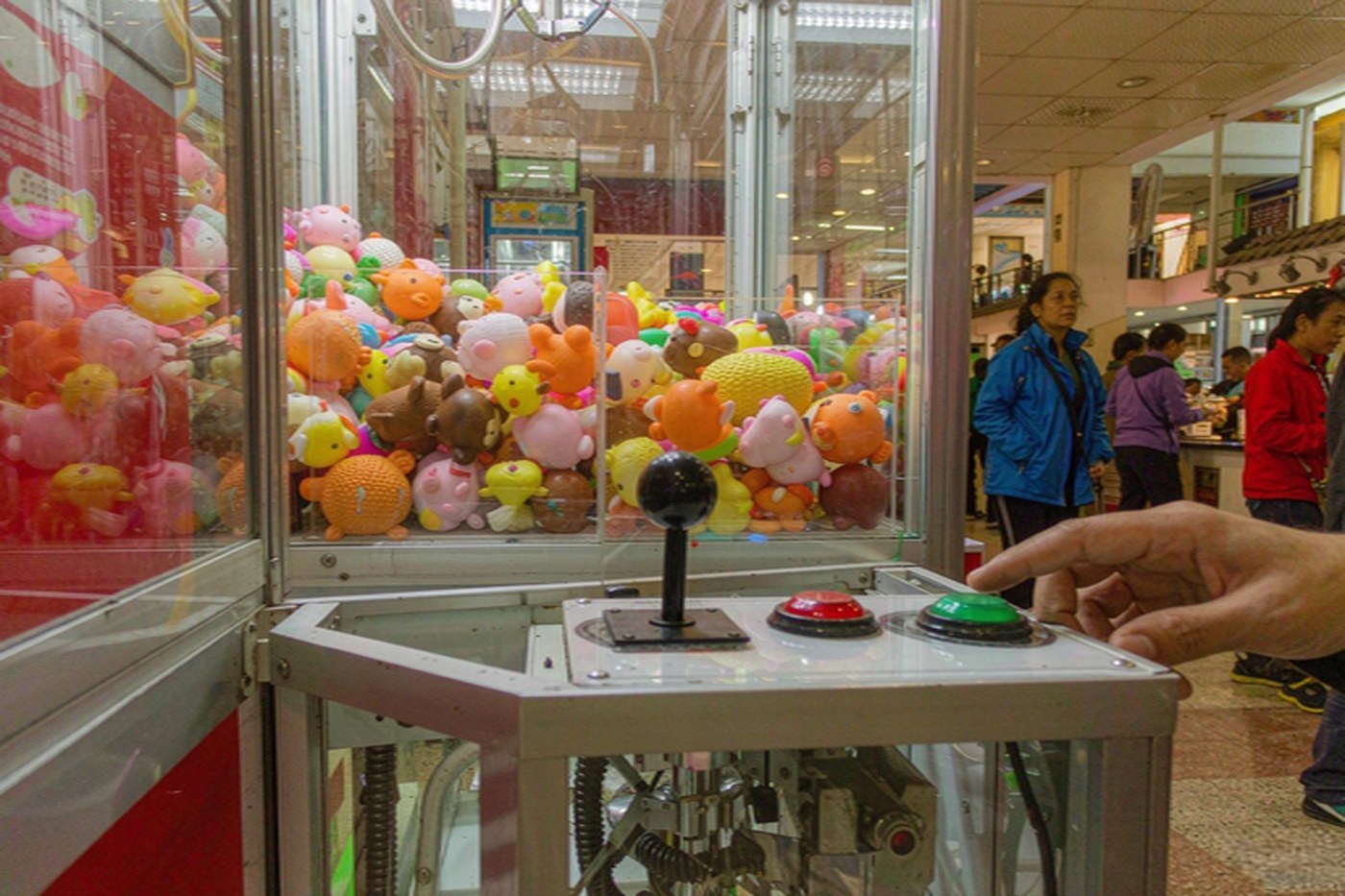
Prize stock is inspected for shape, weight and seam before it goes into a carton.
Prize specs are not shelf specs
A squishy that sells on a shelf is not automatically a good prize. The claw has to grip it, the chute has to release it, and the piece has to survive being dropped back into the bin dozens of times a day.
On a retail shelf
- Visual appeal and price tier do most of the work.
- The customer picks it up once and takes it home.
- Individual retail packaging carries the story.
- Assortment breadth drives the sale.
In a prize bin
- Surface grip, weight and shape decide if it can be won.
- The same piece is handled and dropped many times.
- Loose bulk stock is common; the cabinet is the display.
- Consistency across repeat cartons drives the reorder.
One Yiwu fidget wholesaler publishes a three-tier prize mix: budget fillers, mid-tier heroes, and jumbo showpieces that make the cabinet look good through the glass. We would add a factory-side constraint — try to keep the three tiers in one mould family where you can. Same character or form, three sizes, three price points. It keeps tooling cost down and makes the bin look deliberate rather than random.
The checks that matter when prizes land in small hands
Prize toys are often handed to children by the piece, without a retail box or an adult reading a label. That changes which checks matter. Small parts, seam strength and pull resistance move up the list, along with age grading for the destination market. Buyers now ask for material declarations and batch-linked test files as part of the order, not after it.
If your prize design includes beads, glitter or a hanging part, it gets an extra sealing and pull check before it leaves us. That is a handling step, not a reason to rule the style out. We build filled designs; we simply treat the small pieces as the part of the job that needs the most attention.
What we tell buyers asking for prize-grade squishies
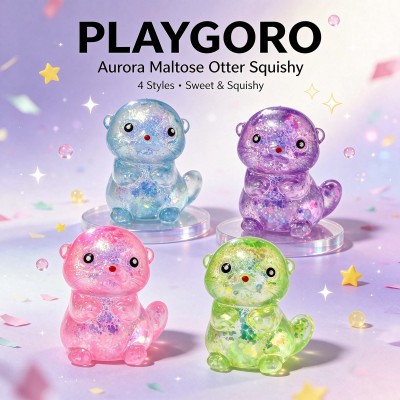
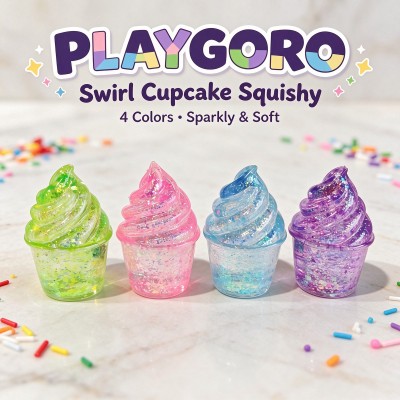
Our line is toy-grade TPR slow-rise squishies. We are honest about where it stops: we do not take ultra-high-detail realistic figure briefs, and we will not claim a hand-dipped shell is ours. What we can do is the prize-friendly middle — soft forms that a claw can grip, a slow return that reads as quality in a cabinet, and colour that stays consistent across repeat cartons. Our Yiwu squishy manufacturing capability is built around that repeatability.
Data checked
- Verified Market Research, Claw Machine Market, report 416333, page updated September 2026.
- Business Research Insights, Claw Machine Market, report BRI120331, updated 28 November 2025.
- Circana US Retail Tracking Service via The Toy Association, 2025 US toy retail sales.
- Dataintelo cabinet-type split and three-tier prize-mix guidance cited in 2026 industry buying guides.
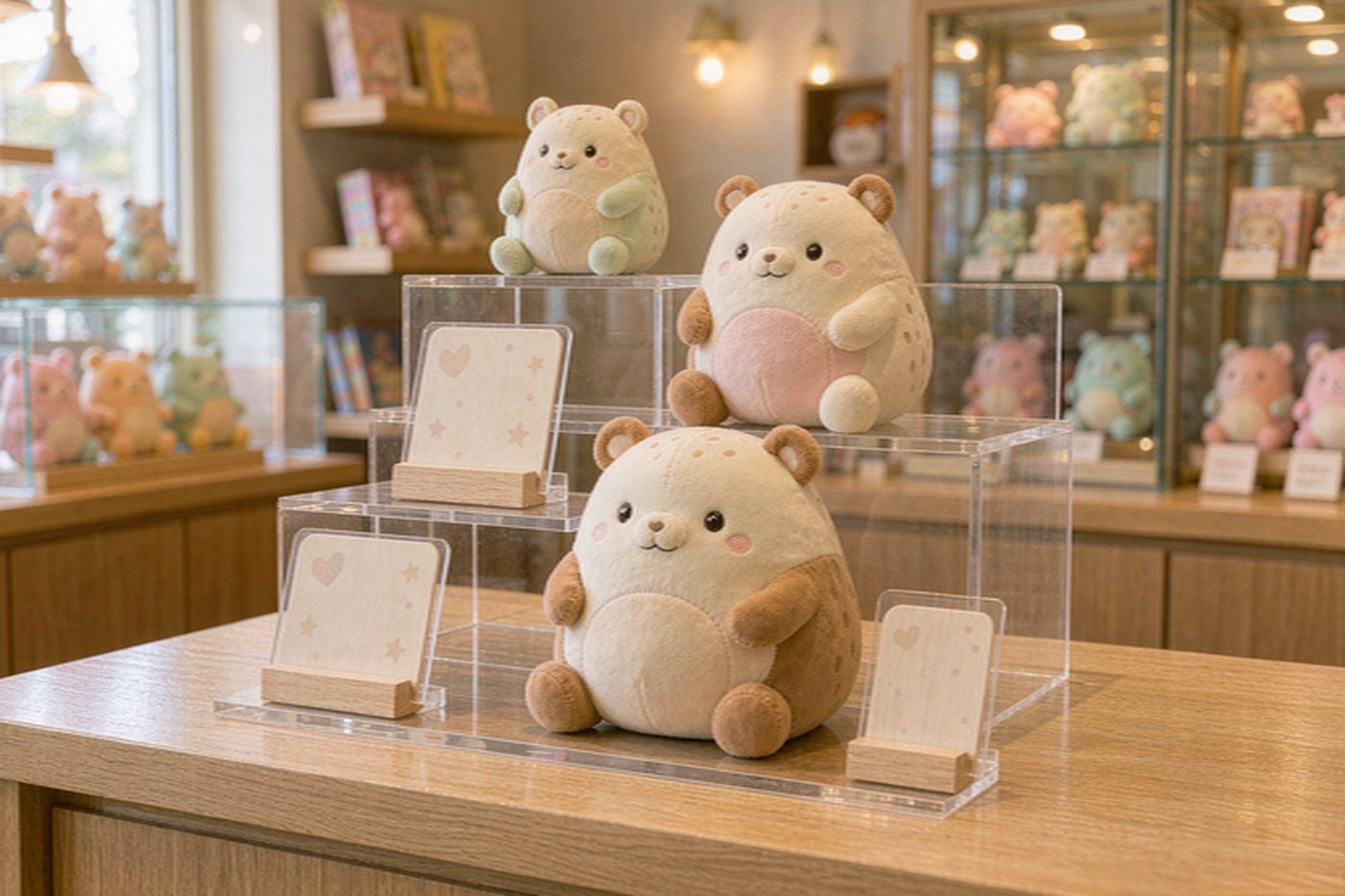
One mould family, three prize tiers: filler, hero, showpiece.
Next step
If you supply prize channels and want a slow-rise squishy that survives the bin, start with our squishy toy catalogue. Tell us your cabinet type, target prize size and destination market, and we will tell you which of our existing forms are worth testing first.