
How Squishies Evolved Beyond a TikTok Fad
How Squishies Evolved Beyond a TikTok Fad
Many think squishies blew up out of nowhere on TikTok. Yet over more than 20 years, their transformation is not just about cuter designs. It reflects how human demand for controlled tactile sensation has kept reshaping this product category.
Phase 1: Charm Era — Not Originally Fidget Toys (2002‑2012)
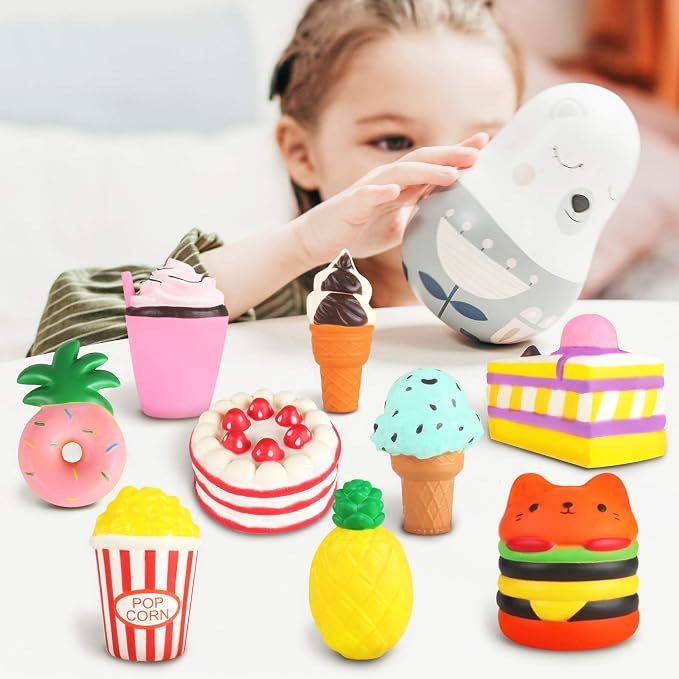
Early squishies originated from Japanese kawaii culture, made of PU slow‑rise foam. They were sold mainly as phone charms, gacha gifts and stationery accessories. Stress relief was only a side effect, not the selling point.
Iconic lines like i‑bloom peaches and bread‑shaped squishies targeted young female students. People bought them to hang on phones or backpacks for display and collection, not for constant squeezing. Squishies were visual collectibles first, tactile toys second.
• Drawbacks: PU foam tended to yellow, shed powder and leach oil with age.
• Social perception: Seen as teen accessories; adults would feel awkward playing with them.
• Community: Small offline trading circles formed. Rare vintage pieces already fetched premium prices within niche groups.
Key insight: Original squishies were for looking, not squeezing. Visual appeal outweighed hand‑feel.
Phase 2: YouTube & ASMR — Reinvented by Short‑form Media (2013‑2018)
The real turning point came not from new factory formulas, but from changing digital media habits.
YouTube creators posted countless squishy ASMR clips: pressing, flattening and watching items slowly bounce back. Soft squelching sounds paired with satisfying visuals fuelled massive audience curiosity. Consumers’ purpose shifted completely — people bought squishies to squeeze them repeatedly, not just display them.
Major market shifts happened:
1.Buyers started prioritizing texture: rebound speed, fluffiness and scent mattered more than appearance.
2.Chinese supply chains scaled up mass‑produced PU squishies for global markets. Major retail chains put them on shelves worldwide.
3.Community split: mainstream shoppers picked low‑cost mass‑market goods, while hardcore collectors chased original Japanese releases. Vintage “Old Bloom” squishies traded at high second‑hand prices.
Soon the bubble partially burst. Poor‑quality cheap PU squishies flooded the market, with strong chemical smells, powder shedding and short lifespans. Public hype faded around 2018‑2021.
Counter‑intuitive truth: Squishies never truly died out for core fans. Mainstream trends cooled, but dedicated tactile communities survived on Discord and Etsy handmade spaces.
Phase 3: Material Revolution — From PU Foam to TPR Maltose Squishies (2021‑Present)
Few Western articles cover this critical shift. The category went through a full material overhaul.
Traditional PU slow‑rise foam: porous sponge structure, slow rebound, fluffy feel, but prone to aging and crumbling.
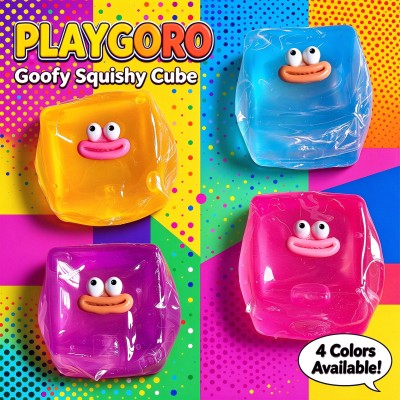
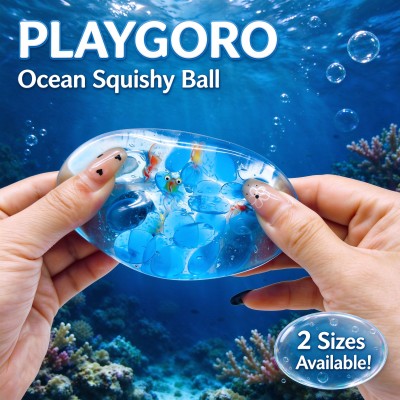
New‑generation squishies: TPR outer shell filled with maltose‑flour compound. These are today’s globally popular maltose squishies.
The hand‑feel logic changed entirely.
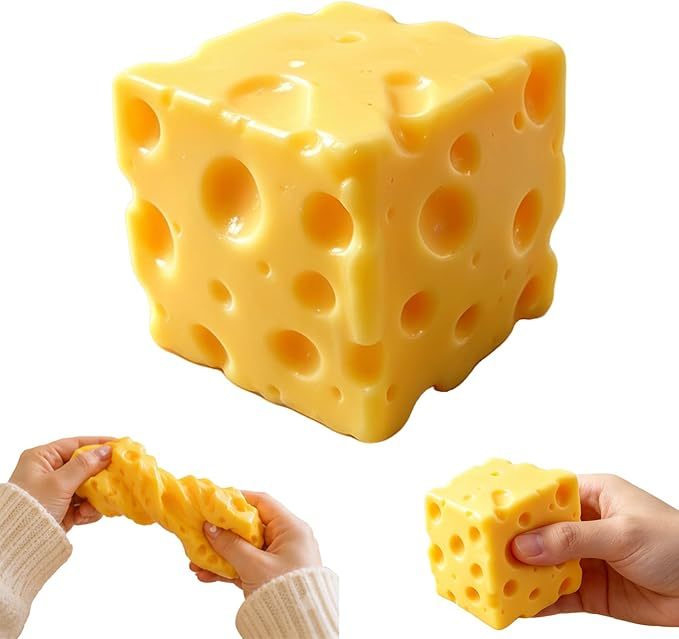
Instead of bouncing back steadily, they cave under pressure, delivering gooey, buttery, dough‑like texture with minimal instant rebound. They recover gradually through material deformation. Community terms such as butter‑soft, sludgy and water‑like texture emerged.
Buyer demographics shifted heavily toward adult users. Post‑pandemic remote work and screen overload created widespread “tactile deprivation”. People craved real‑world physical touch. Squishies became quiet desktop emotional tools, shedding the “kids‑only toy” label. Some mental health practitioners even used them for gentle sensory regulation
Three distinct fan groups formed:
1.Nostalgia collectors: chase vintage PU slow‑rise squishies.
2.Tactile‑focus players: care most about gooey maltose‑style hand‑feel, appearance secondary.
3.Aesthetic collectors: value shapes and colourways for desk display; squeezing is secondary.
Core shift: Squishies evolved from visual ornaments into tactile‑driven emotional‑consumption goods.
Supply‑Chain Perspective: How Manufacturing Reshaped Squishy Culture
This section stands out for independent‑store audiences, great for building brand authority.
Japan once led original squishy design yet lacked large‑scale mass‑production capacity. Today, most global squishies originate from Chinese integrated manufacturers, mainly in Yiwu.
The old model: overseas IP provides designs, Chinese factories handle OEM production.
The new dynamic: Chinese factories develop new textures and moulds, invent original SKUs, then export these innovations worldwide.
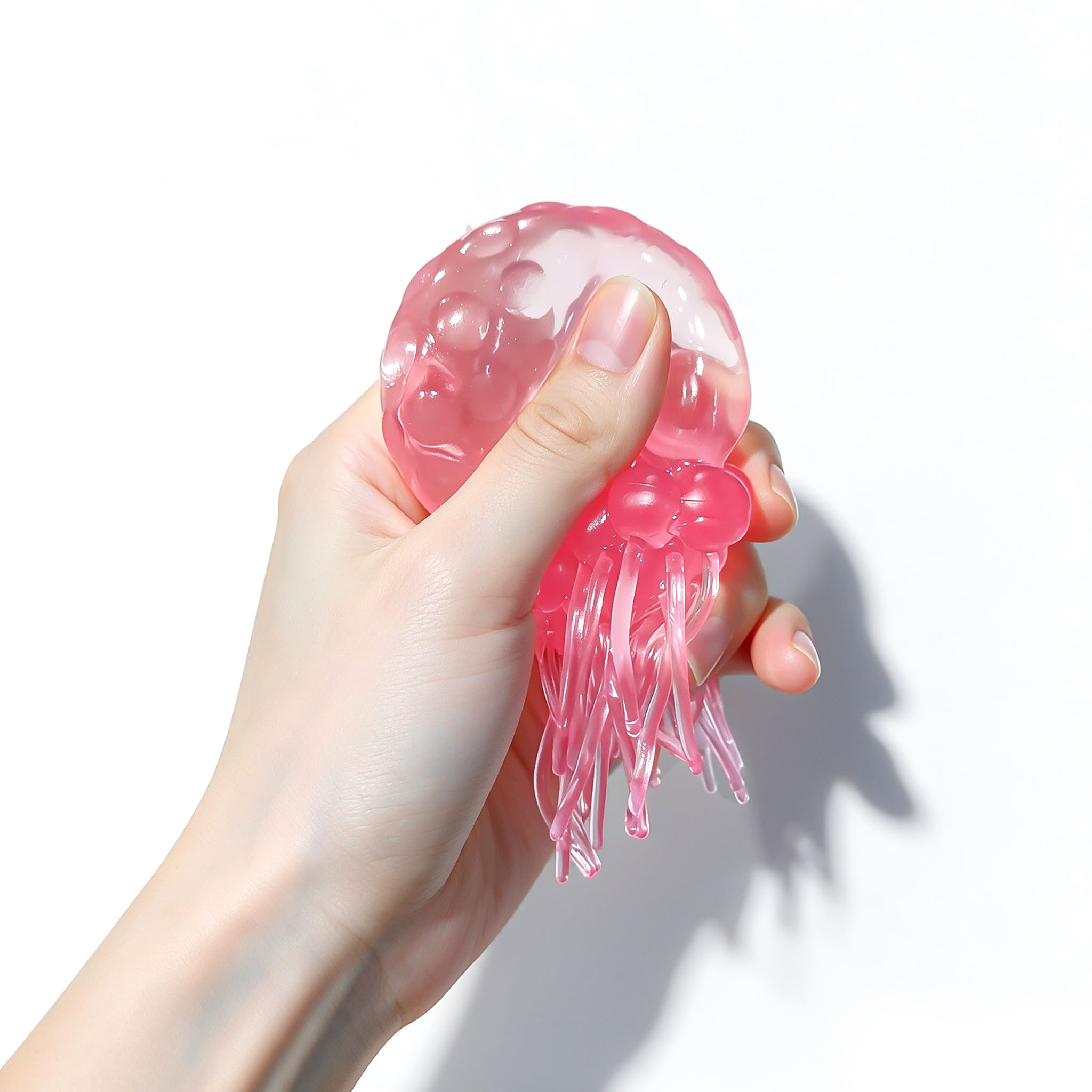
Items like aurora blocks, spiral cubes, galaxy coconut oil balls and jellyfish squishies originated from domestic material tuning and mould development before going viral on TikTok overseas.
Compliance standards also grew stricter. EN71 and ASTM safety testing, oil‑leak risks and filler safety became make‑or‑break requirements for B‑buyers and independent‑site merchants. Low‑grade untested generic products are being pushed out of the premium segment, with higher margins flowing to well‑made texture‑focused squishies.
Why Squishies Keep Staying Relevant
Stress balls existed long before squishies, yet standard stress balls snap back sharply.
What makes squishies unique: you can squeeze them hard into distorted shapes. They do not break or fight back, and slowly restore themselves.
They offer a psychological metaphor: you get to release destructive impulses without destroying anything. They are not built for high‑energy excitement. Instead, they deliver quiet, low‑threshold emotional release.