How to Buy Wholesale Stress Balls Directly from a Factory (2026 Guide)
For distributors, promotional-product companies, toy retailers, gift shops, e-commerce sellers, and corporate buyers, stress balls can be a practical addition to a product assortment. They are compact, easy to display, and available in many shapes, textures, colors, and packaging formats. However, buying at the lowest apparent unit price is not the same as building a reliable supply program.
The real purchasing decision is whether a supplier can deliver the required hand feel, appearance, packaging, quantity, compliance documentation, and delivery schedule consistently. Buying directly from a factory can reduce unnecessary layers in the supply chain and make communication more direct, but that benefit is conditional: it depends on verified production capability, written specifications, representative sampling, and a documented inspection plan. The latest CPSC and EU surveillance data makes the commercial implication concrete—quality and compliance should be treated as measurable release criteria, not as marketing adjectives.
This 2026 guide explains how B2B buyers can source bulk stress balls with fewer surprises, from the first quotation to final inspection and shipment.
Quick answer
The safest way to buy wholesale stress balls is to compare factory capabilities, request representative samples, confirm MOQ and packaging requirements in writing, approve a pre-production sample, and define inspection and delivery terms before placing a bulk order.
What the Latest Data Says About the Toy-Sourcing Opportunity
The broader toy market provides a measurable reason to plan inventory carefully. The Toy Association reports that global toy sales reached $123.0 billion in 2025, an 8% increase over 2024. Its published series shows growth from $98.9 billion in 2020 to $123.0 billion in 2025, equivalent to a reported 24% five-year increase and a 4% compound annual growth rate over that period. These are global toy-market figures, not stress-ball-specific sales, so they should be used as category context rather than as a forecast for one SKU.
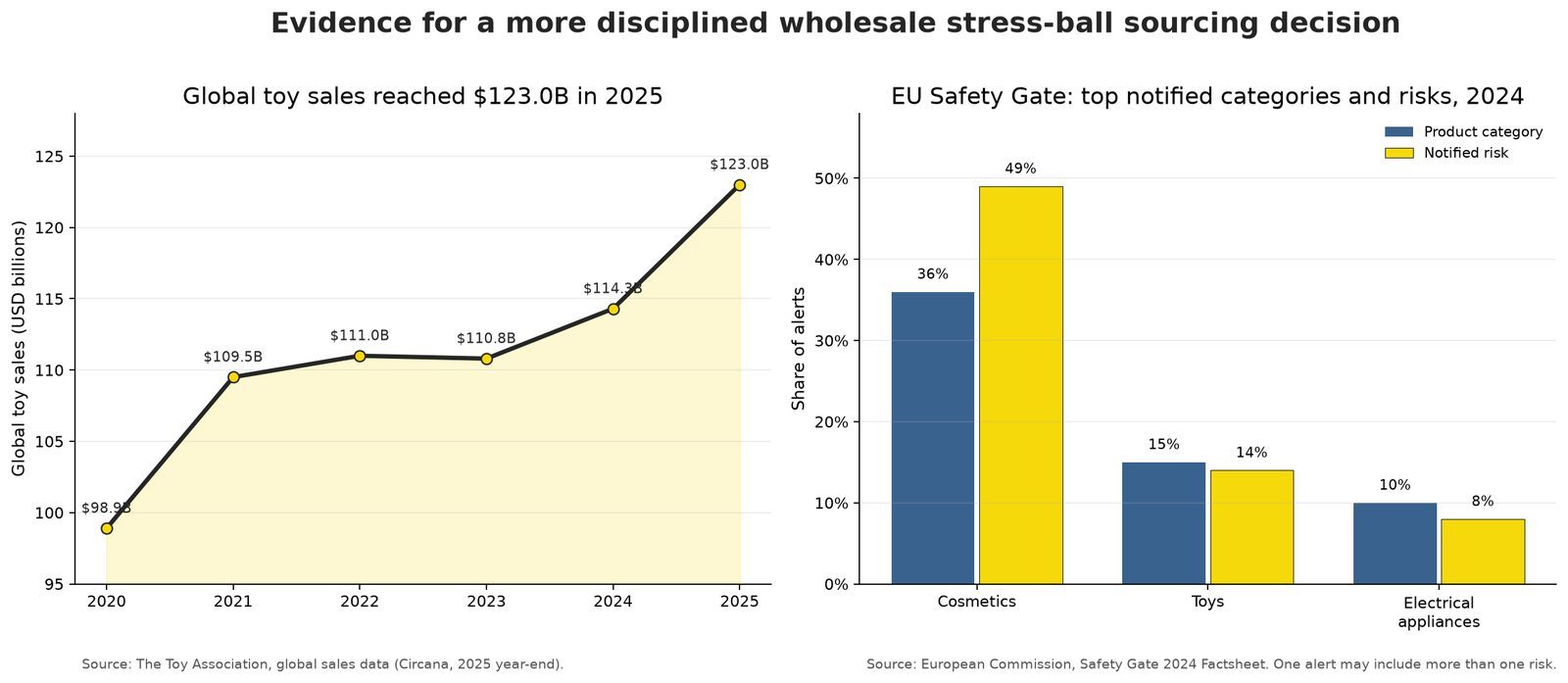
The compliance data is equally relevant to sourcing. In the European Commission’s 2024 Safety Gate factsheet, toys represented 15% of notified dangerous-product alerts, while chemical risks represented 49% of all notified risks, followed by injuries at 14%. The system recorded 4,137 alerts and 4,279 follow-up actions in total. One alert may contain more than one risk, and these figures do not prove that a particular stress ball is unsafe; they show why product-specific material, testing, traceability, and labeling evidence should be part of a B2B buying decision.
For clinical context, two recent randomized studies reported beneficial effects of stress-ball use in specific healthcare procedures. A 2024 trial included 120 angiography patients and found significantly lower post-test pain increases and state-anxiety scores in the intervention group, with p<0.05. A 2025 BMC Nephrology trial included 64 hemodialysis patients; the intervention group used a stress ball for 3 minutes before and during cannulation, and between-group median VAS pain scores differed significantly at p<0.01. These studies support describing stress balls as a possible tactile-distraction tool in defined settings—not as a medical treatment or universal proof of consumer stress reduction.
Wholesale Stress Balls vs Retail: What B2B Buyers Need to Know
Retail purchasing is usually optimized for small quantities, immediate availability, and consumer-facing packaging. Factory-direct purchasing is designed around production planning, specifications, minimum order quantities, packaging, quality control, and repeat orders. The correct choice depends on your sales channel and forecast rather than on price alone.
| Buying factor | Retail or marketplace sourcing | Distributor sourcing | Factory-direct sourcing |
|---|---|---|---|
| Typical order size | Small | Small to medium | Medium to large |
| Product selection | What is already listed | Catalog-based | Catalog plus OEM/ODM possibilities |
| Custom packaging | Limited or unavailable | Sometimes available | Usually easier to discuss directly |
| Communication | Transaction-focused | Coordinated through an intermediary | Direct with the production or sales team |
| Unit-price potential | Highest at small volume | Moderate | Usually stronger at planned volume |
| Main risk | Inconsistent replenishment | Less visibility into production | Buyer must verify the factory and specifications |
A distributor may still be the right option if you need mixed brands, low quantities, or local inventory. A factory is often more suitable when you need a repeatable product, custom packaging, stable replenishment, or a clear path from sampling to mass production.
You can review PlayGoro’s wholesale stress balls catalog to compare available styles before preparing an inquiry.
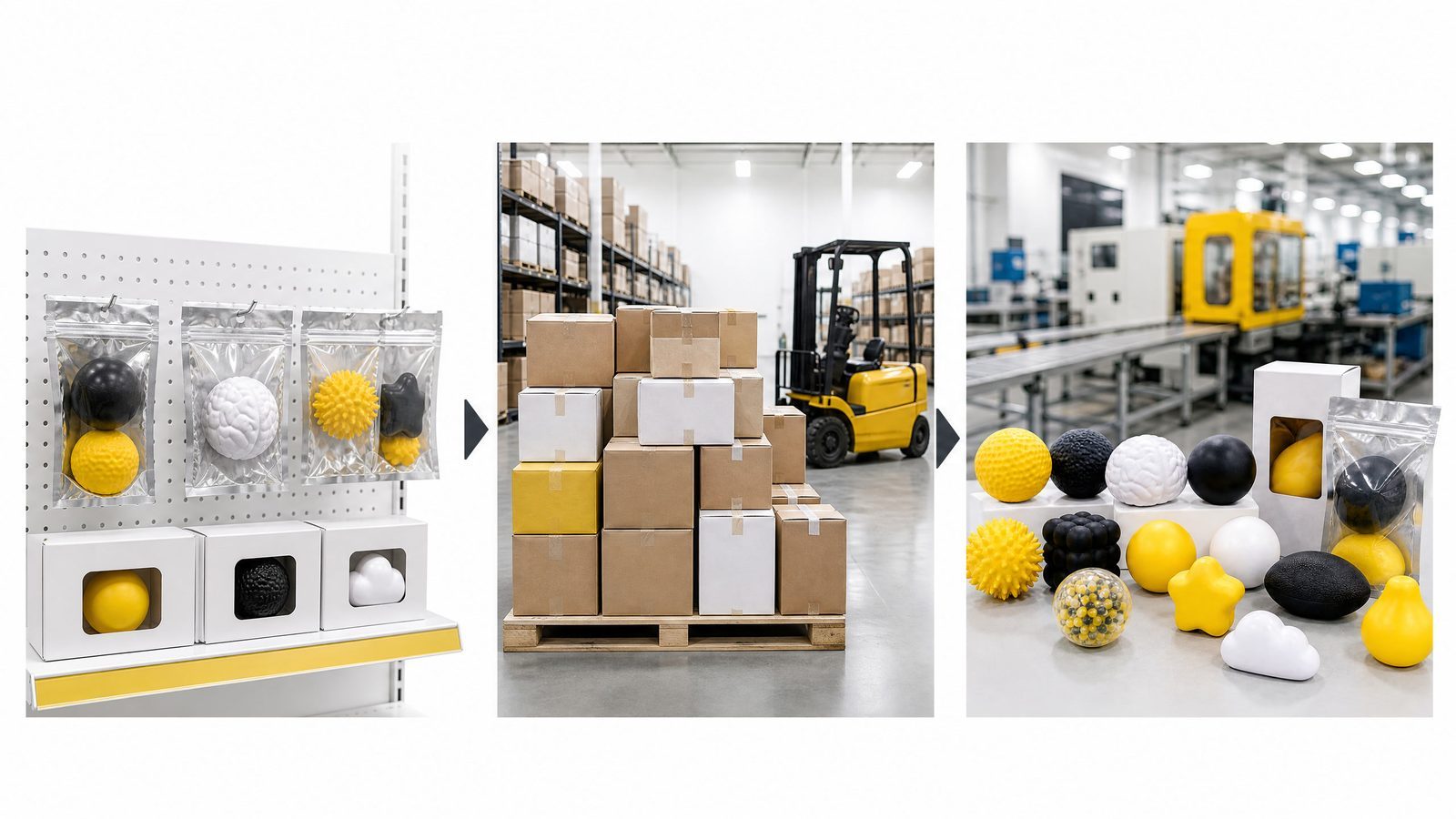
What Is the Minimum Order Quantity for Wholesale Stress Balls?
The minimum order quantity (MOQ) is the smallest quantity a supplier accepts for a specific product, color, packaging format, or customization project. There is no universal MOQ for every stress ball order. It can vary according to whether you are buying an in-stock item, adding a logo, changing the packaging, developing a new mold, or combining several designs.
Before comparing quotations, ask the supplier to separate the following quantities:
| MOQ question | Why it matters |
|---|---|
| MOQ per SKU | One design may require a different quantity from another. |
| MOQ per color | Multiple colors can increase production complexity. |
| MOQ for custom packaging | Printed boxes, cards, or bags may have their own print minimum. |
| MOQ for logo application | Printing, labeling, or other decoration can change the order threshold. |
| MOQ for OEM or ODM | New molds and development usually require higher commitment. |
| Reorder MOQ | The first order and repeat order may follow different rules. |
PlayGoro’s published service information currently shows different reference quantities by service type: its brand wholesale option lists an MOQ of 2,000 pieces, OEM lists 5,000 pieces, and ODM lists 10,000 pieces. These are supplier-published reference points, not a substitute for a project-specific quotation, so confirm the applicable MOQ for your chosen product and packaging before ordering.
A useful inquiry should include your target quantity, preferred designs, material or texture requirements, packaging concept, destination market, and expected reorder frequency. This gives the supplier enough context to recommend the most realistic production route.
Step-by-Step: Sourcing Bulk Stress Balls from a Factory
1. Define the commercial brief before requesting a quote
Start with the business use case. A promotional giveaway, retail shelf product, subscription-box item, classroom reward, and sensory-toy assortment may require different sizes, packaging, labeling, and durability expectations.
Describe the product in measurable terms wherever possible. Include approximate dimensions, target colors, logo requirements, packaging format, estimated quantity, destination country, target delivery window, and whether you need a ready-to-sell product or a custom design. Clear input produces more comparable quotations.
2. Shortlist a stress ball manufacturer by capability, not by catalog size
A large catalog does not automatically prove production capability. Look for evidence of relevant manufacturing experience, product development support, sampling procedures, quality control, packaging coordination, and export communication.
Ask whether the supplier produces the item in-house or coordinates it through another factory. Also clarify which stages are internal, such as molding, mixing, printing, painting, assembly, inspection, and packing. The answer helps you assess lead-time control and accountability.
3. Request a written quotation with complete cost assumptions
A useful quotation should identify the product, material, size, color, logo or decoration method, packaging, quantity, unit price, tooling cost if applicable, sample cost, production lead time, payment terms, shipping basis, and quotation validity.
Do not compare two unit prices when one includes custom packaging and the other does not. Likewise, do not assume that freight, inspection, testing, duties, or artwork preparation are included unless the quotation states so.
4. Evaluate samples for consistency, not just appearance
A sample should help you confirm the product’s feel, rebound or recovery behavior, surface finish, odor, color, seams, printing, dimensions, packaging fit, and overall presentation. If you are ordering multiple designs, request representative samples across the range rather than approving only one item.
Record the approved sample with photographs, measurements, artwork files, packaging specifications, and any agreed tolerances. This creates a practical reference for production and inspection.
5. Approve the pre-production sample before mass production
For a custom order, the pre-production sample should reflect the final materials, color, decoration, packaging, and manufacturing method as closely as possible. Written approval should identify the sample version and date. If changes are required, document them before production begins.
This step is especially important for OEM and ODM projects. PlayGoro describes its OEM workflow as moving from client requirements and packaging sourcing through mold development, pre-production sampling, approval, mass production, quality inspection, and delivery.
6. Set quality-control checkpoints and inspection responsibility
Quality should be discussed before the deposit is paid, not after the goods are finished. Agree on what will be checked, when it will be checked, who may inspect the goods, how defects are classified, and what happens if the shipment does not meet the approved standard.
A practical inspection checklist can cover quantity, dimensions, color, surface defects, deformation, printing alignment, packaging, carton marks, labeling, and random functional or hand-feel checks. The need for documented testing is not merely administrative: the CPSC’s ASTM F963 requirements chart lists squeeze toys (section 4.24) as requiring third-party testing, along with applicable requirements such as small objects, accessible edges, points, stuffing materials, plastic film, cords or elastics, and magnets. The exact test scope depends on the product design and market.
For U.S. products designed or intended primarily for children 12 years or younger, CPSC guidance states that applicable third-party testing and a Children’s Product Certificate are required; ASTM F963 itself covers toys intended for children under 14, so age grading must be handled carefully. For EU sales, all toys must carry the CE marking under the current framework, and the Toy Safety Regulation (EU) 2025/2509 entered into force on 1 January 2026 but applies after a 4.5-year transition period, from 1 August 2030. The new regulation will require a Digital Product Passport for toys placed on the EU market.
If your market has specific toy or chemical compliance requirements, identify the applicable documents and testing scope in advance. Ask the supplier to tie each report to the exact SKU, material, color, packaging, age grade, and production version rather than accepting a generic certificate.
7. Confirm shipment and replenishment planning
Ask for the estimated production window, packing completion date, shipping method, carton information, and document list. Sea, air, and express shipping can serve different urgency and cost requirements; the best option depends on order size, destination, and stock planning.
For repeat buyers, treat the first order as the beginning of a supply plan. Track best-selling designs, reorder lead time, packaging inventory, seasonal demand, and acceptable safety stock. This is how stress balls in bulk become a dependable product category rather than a one-time purchase.
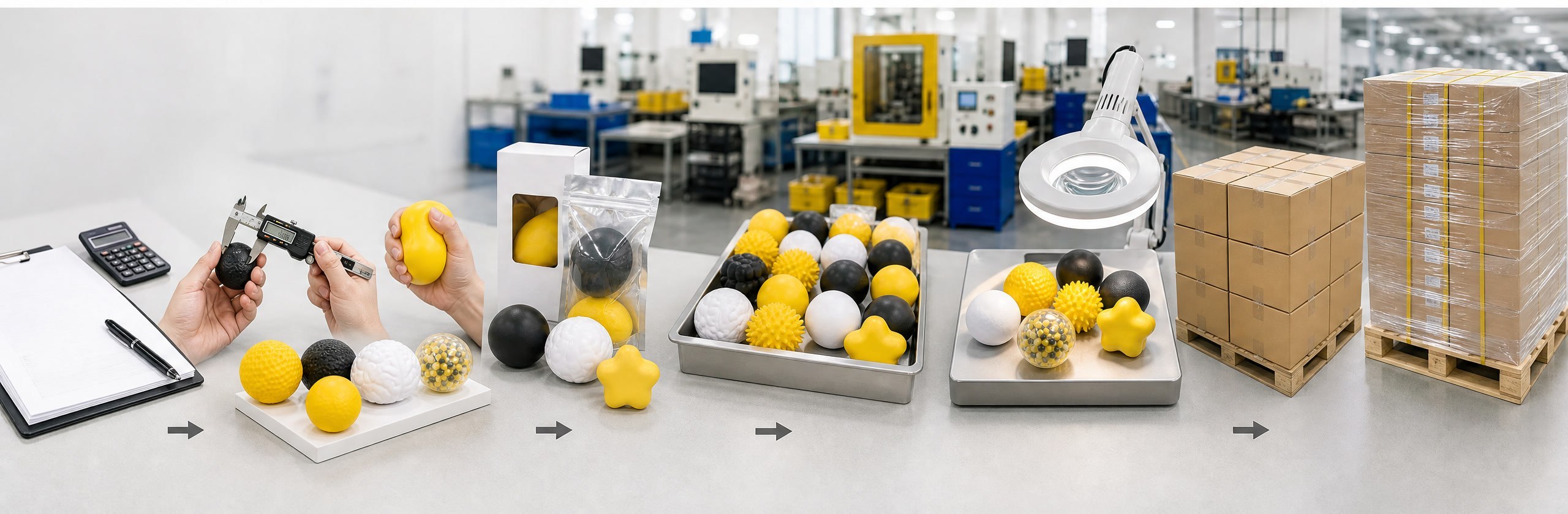
How to Verify a Stress Ball Manufacturer Before Ordering
A professional verification process should combine documents, communication, samples, and—when appropriate—a factory audit. No single signal proves that a supplier is the right fit.
| Verification area | Questions to ask |
|---|---|
| Company identity | What is the legal company name, address, and sales entity? |
| Production capability | Which processes and equipment are handled in-house? |
| Product experience | Can the supplier show comparable stress-ball or squishy-toy projects? |
| Quality system | What are the inspection stages and defect criteria? |
| Compliance | Which reports or certificates apply to the exact product and destination market? |
| Customization | Can the supplier support artwork, packaging, molds, and pre-production samples? |
| Delivery | How is the production schedule managed, and how are delays communicated? |
| Commercial terms | Are MOQ, tooling, payment, shipping, and replacement terms written clearly? |
PlayGoro’s stress ball manufacturer profile states that the company was established in 2011 and describes a team of more than 180 people, production equipment, R&D, warehousing, and custom processing based on drawings and samples. It also states that its quality-control team follows an AQL 1.0 standard and that its products are certified for requirements including FDA, CE, RoHS, EN71, and CPC. Buyers should still request the current, product-specific documents and verify that the applicable standard matches the destination market and exact SKU.
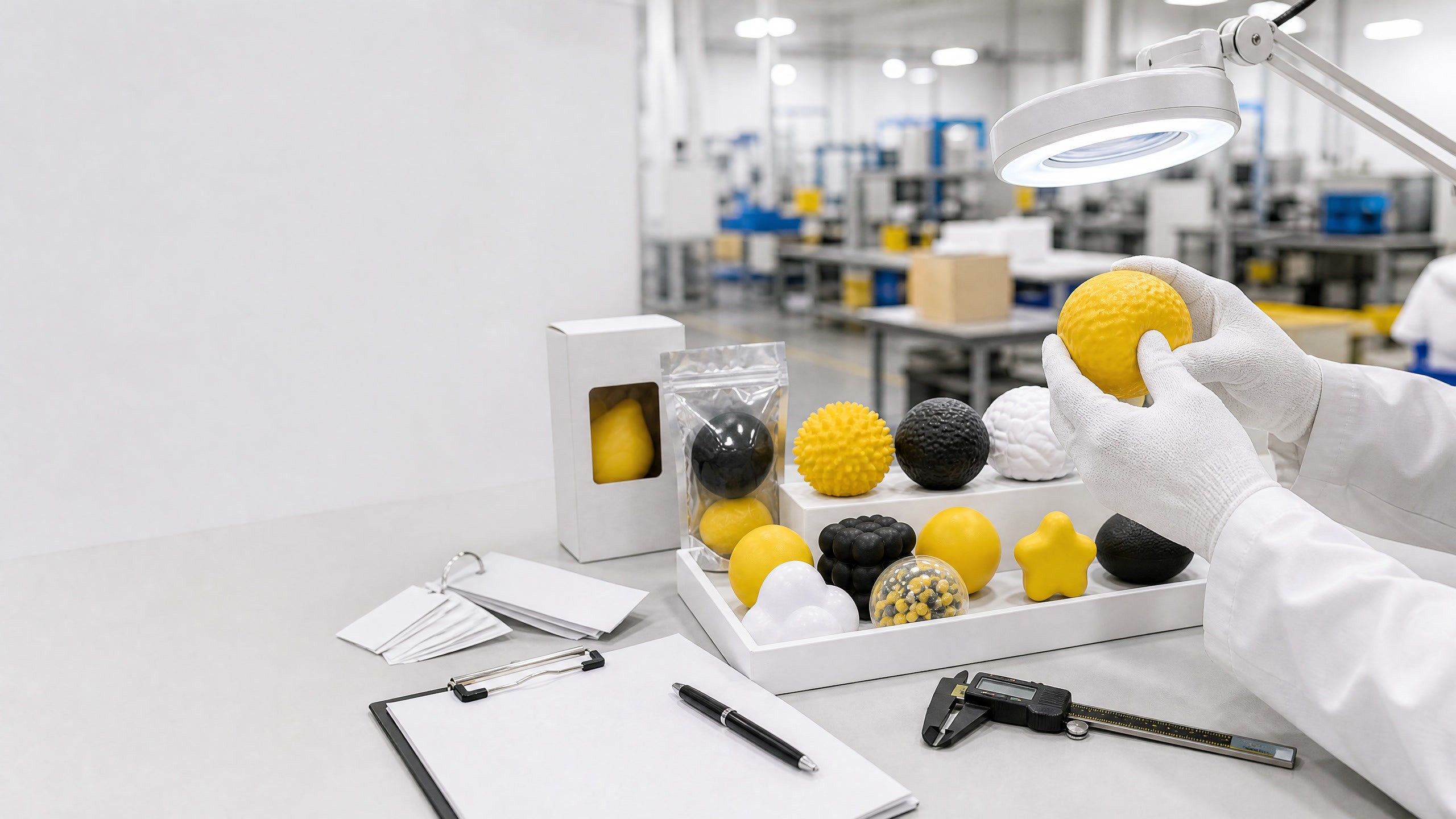
A factory audit can be remote or in person. Review the production area, raw-material storage, sample room, inspection records, packaging area, and shipment controls. Ask the supplier to explain how it prevents approved samples from being replaced by unapproved materials or artwork during mass production.
To understand its broader supply, OEM, ODM, and project-support options, review PlayGoro’s wholesale stress toys and custom manufacturing services.
In-Stock Stress Balls Wholesale: The Fastest Way to Restock
When speed matters, in-stock stress balls wholesale can be a useful alternative to a new custom project. Ready-to-sell products may reduce development time because the design, mold, and production route already exist. They can be suitable for replenishing a proven SKU, testing a new sales channel, preparing a seasonal promotion, or filling a short-term inventory gap.
However, “in stock” should be verified rather than assumed. Ask whether the stated quantity is finished goods, semi-finished goods, or available production capacity. Confirm the exact design, color, packaging, quantity, storage condition, and dispatch date. If the stock is split across different batches, request sample or batch information so that color and feel remain consistent.
Custom OEM/ODM is usually more appropriate when your competitive advantage depends on an original shape, proprietary artwork, branded packaging, special color matching, or a new product concept. PlayGoro presents OEM as a design-to-production service and ODM as a product-development service that includes concept support, 3D design, packaging design, mold development, sampling, approval, production, inspection, and delivery.
The decision can be summarized as follows:
| Choose in-stock or catalog products when… | Choose OEM/ODM when… |
|---|---|
| You need faster replenishment. | You need a distinctive product or brand identity. |
| You are testing demand. | You have a design, drawing, or product concept. |
| The existing shape and packaging meet your needs. | You need custom colors, packaging, molds, or functions. |
| Your first order is exploratory. | You expect a long-term product program. |
Why PlayGoro Is a Trusted Wholesale Stress Balls Supplier
PlayGoro positions itself as a professional stress-ball manufacturer and supplier in China, offering product sourcing, OEM, and ODM support. Its public service page highlights 15+ years of manufacturing experience, integrated production, compliant-material support, fast sampling, stable delivery, and OEM/ODM customization capability.
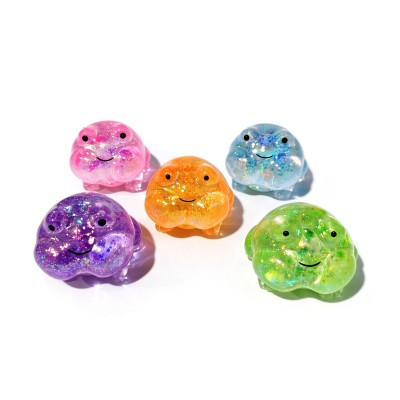
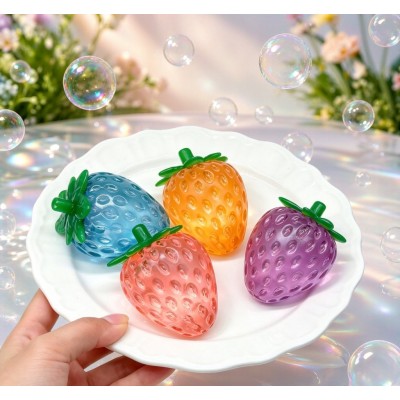
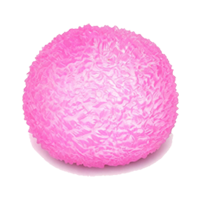
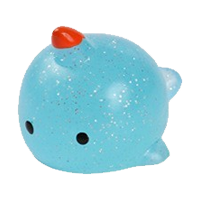
Its product page presents a broad stress-ball and stress-toy range, including TPR stress balls, maltose stress balls, malleable stress balls, water stress balls, mochi stress toys, and themed designs. The range can help B2B buyers begin with catalog products while leaving room to discuss packaging or customization requirements.
The company’s published service model distinguishes between ready-to-sell wholesale products, OEM projects for an existing design, and ODM projects that need development support. This distinction is useful because it aligns the sourcing route with the buyer’s actual objective: faster replenishment, controlled branding, or new-product development.
Frequently Asked Questions About Wholesale Stress Balls
How do I buy stress balls in bulk directly from a factory?
Prepare a product brief, shortlist manufacturers, request a detailed quotation and samples, verify the factory’s capability and compliance documents, approve the pre-production sample, define inspection requirements, and confirm shipping terms before placing the bulk order.
Are bulk stress balls cheaper than retail products?
They can offer a lower unit cost at a suitable volume, but the total landed cost also includes packaging, tooling, freight, inspection, taxes, and potential rework. Compare complete order economics rather than unit price alone.
What is the difference between wholesale stress balls and wholesale stress toys?
“Wholesale stress balls” generally refers to squeezeable ball-shaped products, while “wholesale stress toys” can include a wider range of squishy, mochi, TPR, fidget, and sensory products. The right category depends on your assortment and customer use case.
What should I request from a stress ball manufacturer?
Request product specifications, MOQ, sample terms, packaging details, lead time, quotation assumptions, quality-control procedures, applicable compliance documents, shipping information, and the name of the responsible contact. For custom products, request artwork confirmation and a pre-production sample.
Should I choose stock products or custom stress balls?
Choose stock products when speed and market testing are the priorities. Choose OEM or ODM when your brand needs differentiated designs, packaging, colors, or product development. Many buyers use a catalog product first and develop a custom line after demand is validated.
Ready to Source Stress Balls in Bulk?
A reliable factory-direct purchase starts with a clear brief and a supplier that can discuss the full process—not only the unit price. Send PlayGoro your target quantity, preferred designs, destination market, packaging requirements, and expected delivery window. The team can help you identify whether a ready-to-sell wholesale option, OEM project, or ODM development route is the best fit.
Start by exploring the wholesale stress balls product catalog, then review the factory-direct service options for stress balls in bulk. For a quotation, sample request, factory-audit discussion, or custom project, contact the wholesale stress ball manufacturer with your requirements. You can also visit the PlayGoro official website for wholesale stress toys to learn more about its product categories and support services.
Need a dependable source for wholesale stress balls? Share your product idea, quantity, packaging needs, and target market with PlayGoro. Request a catalog recommendation or project quotation today.