


Squishy Returns: Physics, Not Marketing
Squishy Returns: Physics, Not Marketing
A factory-side breakdown of the five real reasons slow-rising squeeze toys come back — and the seven questions that separate a good supplier from a cheap one.
Every month, a brand owner sends us the same email, usually with screenshots attached:
"Sales were fine. Reviews were not. 'Went hard in two weeks.' 'Sticky surface.' 'Smells weird.' 'Doesn't look like the video.' Return rate is at 11% and climbing. What are we doing wrong on the marketing side?"
Nothing. The marketing is fine. The compound is not.
Almost every squeeze-toy return traces back to one of five physical failure modes that are decided at the compounding table — months before anyone writes an ad. Suppliers don't volunteer these, because explaining them means explaining what they skipped. So we will.
1. Slow-rising becomes dead-rising
A slow-rising squeeze toy is graded by recovery time — how long the shape takes to come back after a squeeze. Around 8 seconds is the sweet spot: slow enough to feel satisfying, fast enough to feel alive.
Here's the part nobody puts in a quotation: recovery time is a moving target. The cheap way to hit a low unit price is to load the TPR compound with mineral filler. Filler is cheap; softener is not. A ball heavy on filler can leave the factory at a respectable 8–10 seconds — and then a hot ocean container and a humid warehouse finish the job. Three weeks later it recovers in 25 seconds, or worse, it slowly sags and never fully comes back.
The customer never writes "the recovery time drifted." They write "it feels dead." And they return it.
Ask for the recovery time spec at day 30, not at shipment. In writing.
2. Oil bleed: the "sticky" complaint
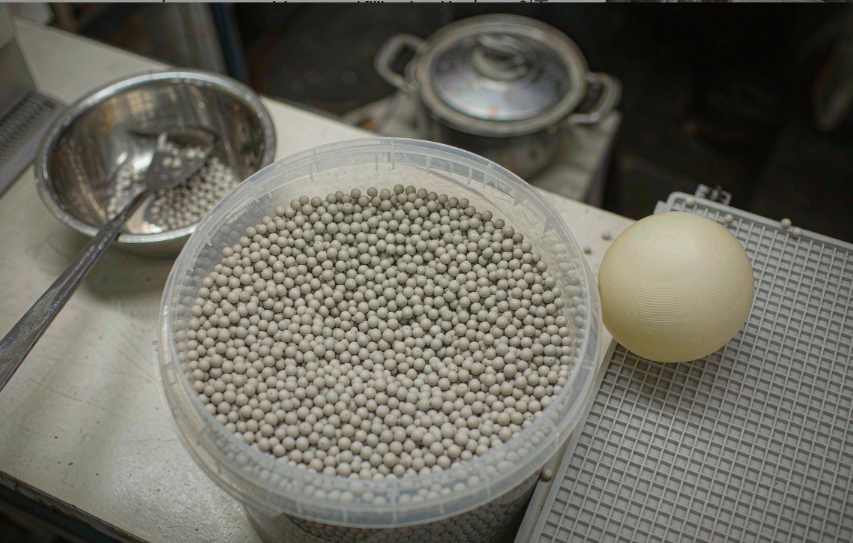
Same root cause, second symptom. When a compound is over-filled and under-softened in the right (wrong) way, unbound oil migrates to the surface over time. The toy arrives slightly greasy, attracts dust and hair within days, and can even stick to its own poly bag.
In your listing photos, it looks perfect. In the customer's hand, it feels cheap — and that gap between photo and touch is exactly what "looks nothing like the video" reviews are made of.
If a factory has never heard of a heat-aging test for oil bleed, they're not testing for it. Which means they're shipping it.
3. The filling fails before the skin does
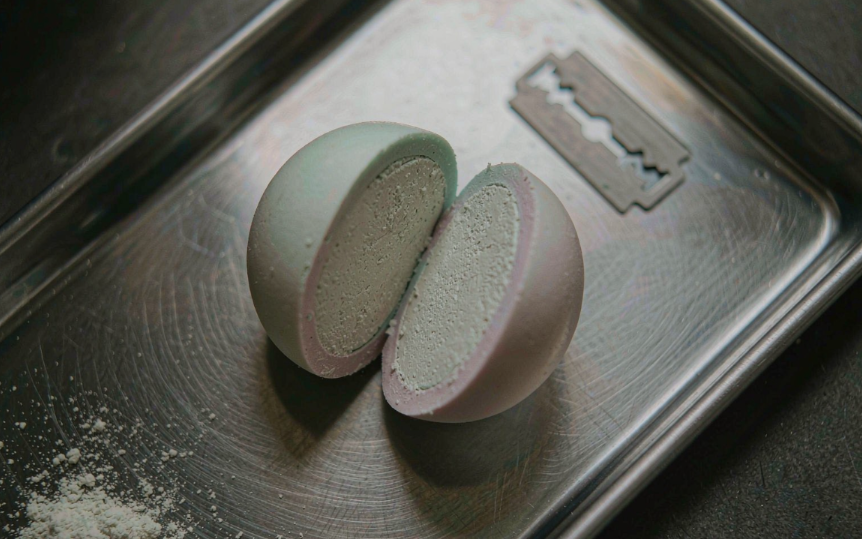
The classic flour fill is a beautiful thing: dense, silent, evenly slow. It is also hygroscopic — flour absorbs moisture. If the fill port or the molding seam isn't properly sealed, humidity works its way in and the filling starts to clump. The squeeze goes from smooth to lumpy, and in bad cases a faint sour smell develops.
Syrup-based fills have the opposite failure mode: heat. Inside a summer container, internal temperatures can pass 60°C. A fill that flows nicely at room temperature migrates to one end of the toy in transit, and the customer receives something that squeezes like a half-full water bottle.
Both fillings can be excellent. Both fail for predictable, testable reasons. The difference between factories is whether anyone actually tests for it.
4. Seams and attached parts: the complaint that isn't a return
Glued-on eyes, stitched patches, hard-plastic details on a soft body — two materials with different thermal expansion rates joined by one drop of adhesive.
It survives QC at a comfortable 22°C. It does not survive a container at 65°C, or a kid's backpack. And when an eye pops off, the customer doesn't file a return — they file a safety complaint. That's a much more expensive conversation.
Any attached part should pass a pull test after heat aging, not before.
5. Packaging crush: the most preventable return
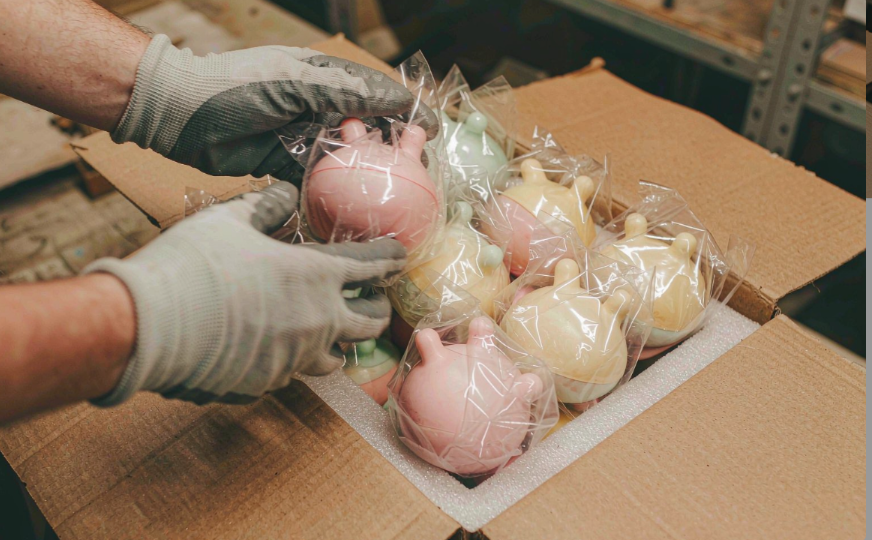
Squeeze toys ship soft. Stack three cartons of them and the bottom layer arrives as discs. Nobody returns a product for being "slightly flattened" — they return it because your listing photo promised a plump, proud little shape and the box delivered a pancake.
This is the cheapest failure mode on the list to fix — carton dimensions, layer pads, void fill — and somehow the most common.