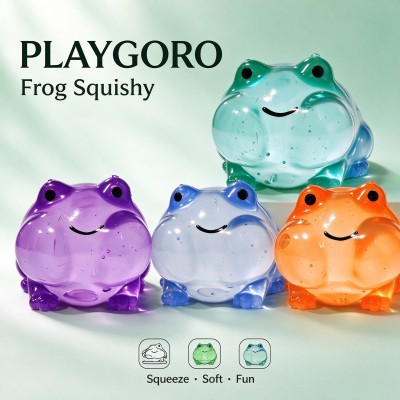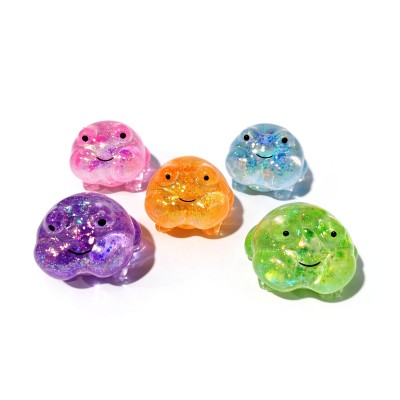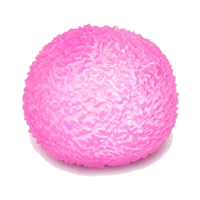
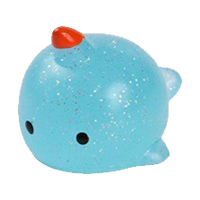

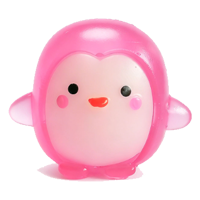

The Life of a Squishy: 72 Hours in Our Workshop
Yiwu, Zhejiang. Written from the workshop floor by the PlayGoro team.
Most squishies live their whole public life in someone's hand. Ten seconds of squeezing, a photo, maybe a video. What nobody sees is the seventy-two hours before that moment — the hours that decide whether the toy bounces back for a year or goes flat in a week.
We run a small toy factory in Yiwu. We make slow-rising squishy toys for brands, wholesalers and shop owners in a dozen countries. Last week we followed one production batch from the moment raw material crossed our gate to the moment the container door closed. This is what three days in the life of a squishy actually looks like.
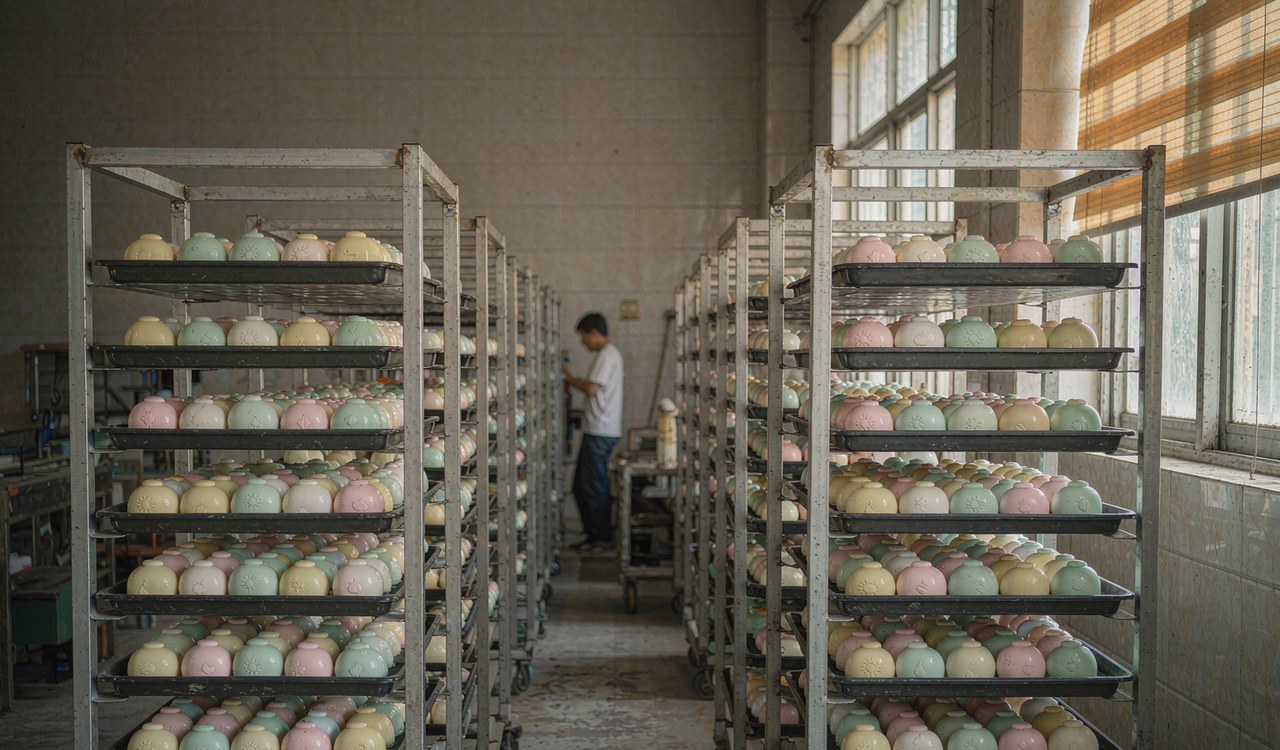
Hour Zero: What Arrives at the Gate
The batch starts before dawn, with a delivery most visitors walk past without a second look: drums of TPR pellets and the soft filling compound that gives our toys their weight. TPR — thermoplastic rubber — is the skin of the toy. It is a toy-grade material, chosen for one specific talent: it can be stretched, pressed and flattened hundreds of times and still remember the shape it was born with.
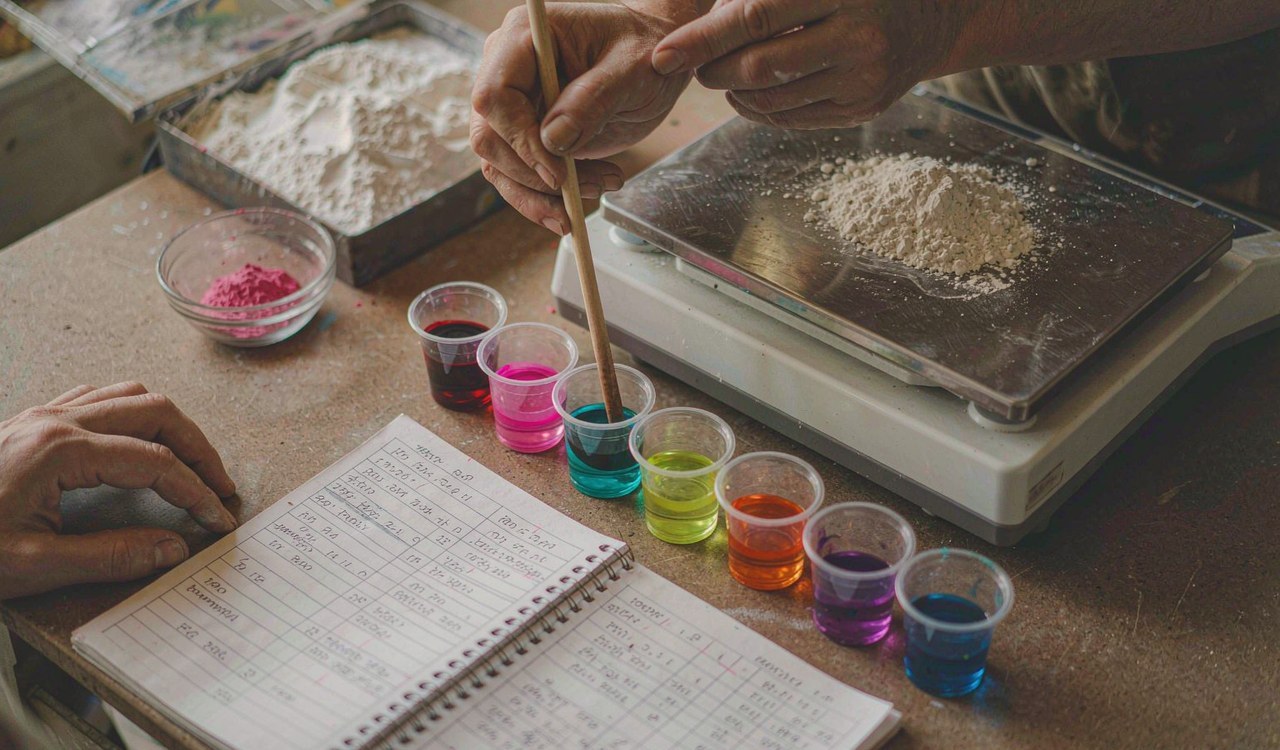
Next to the drums sit the pigments. This is where every custom order really begins. A buyer sends us a reference — a Pantone number, a fabric swatch, sometimes just a photo of a shop shelf — and our mixing desk translates it into pellets. A few grams of pigment per kilo is the difference between "close enough" and the exact pink a brand built its packaging around. We mix in small test batches first, because a color that looks right under workshop lights can go flat under retail lighting. If a client is picky about color, we would rather find that out on hour two than on day thirty.
Hours 7–20: The Mold Does the Heavy Lifting
Once the material is ready, everything moves to the molds. A mold is the most patient thing in our factory. It does the same job all day, thousands of times, and it never gets bored or sloppy. Every squishy shape we sell — animals, food shapes, characters, custom designs — exists first as a machined metal cavity, polished until the surface is smoother than the toy needs to be, because the toy will only ever be as clean as the mold that made it.
Pouring, curing, demolding. The rhythm is almost boring, and that is the point. Boring means repeatable. The exciting part of this stage is invisible: the wall thickness of the skin. Too thin and the toy leaks its filling or splits at the seam. Too thick and it stops feeling soft — it becomes a rubber ball pretending to be a squishy. Our workers can feel the difference through the mold itself, the way a baker knows bread by the sound of a crust.
For the shapes in this batch, the molds are ours and the routine is old. But a good share of what leaves this workshop starts as someone else's idea. A brand sends a sketch — a character, a mascot, sometimes a photo of a competitor's product they want to beat — and the journey to a mold runs through a 3D-printed prototype first. Printing costs days, not weeks. Holding a rough prototype answers questions a drawing never will: Does this feel right in a child's grip? Is that snout too fragile? Is the base wide enough to sit on a shelf? Every change made at the prototype stage costs a little; the same change made after molding costs a mold. That early rough model, sanded and reprinted two or three times, is the least glamorous bargain in custom manufacturing and the best one we know.
Day Two: The Squeeze Test
By the second morning, the batch looks finished. It is not. This is the day the batch earns the right to be called a slow-rising squishy — or gets sent back.
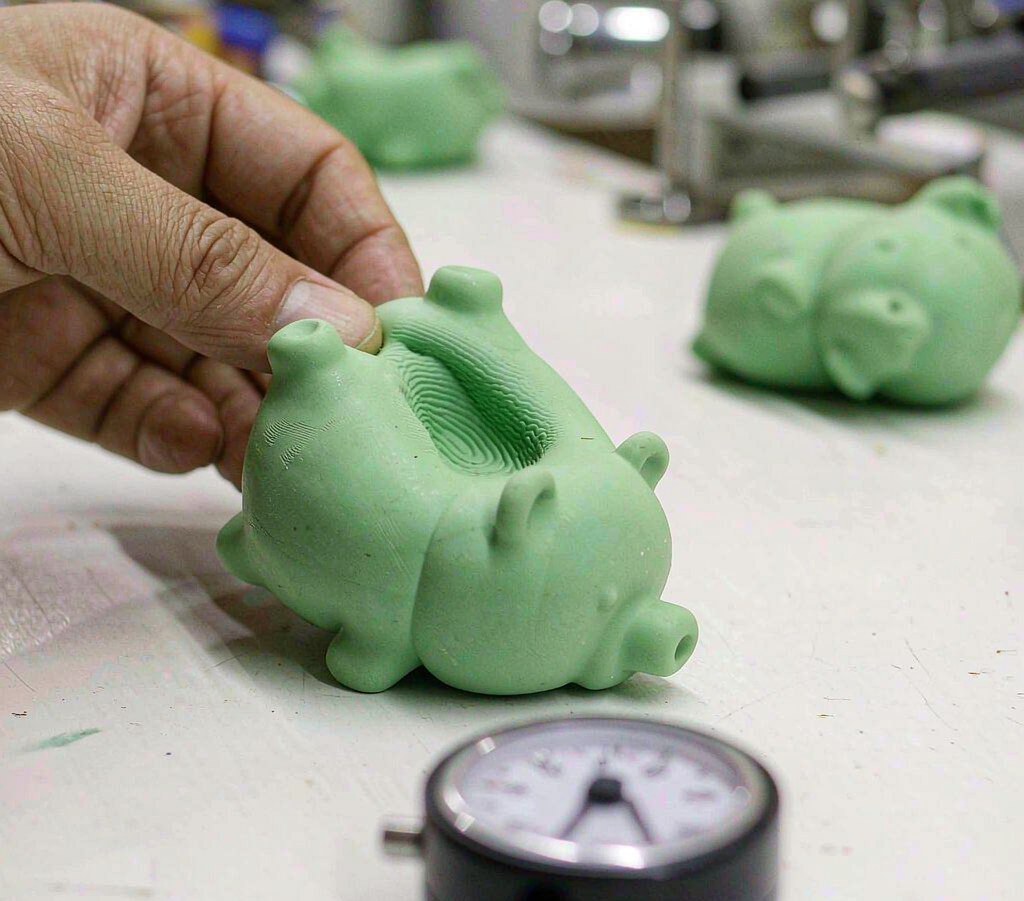
Our QC bench is a simple setup: good light, a timer, and hands that have checked more squishies than anyone would admit in public. The test itself takes seconds.
| Check | What we do | What fails looks like |
|---|---|---|
| Rebound time | Full squeeze, release, watch the recovery | Pops back instantly (too dense) or slumps (too soft) |
| Repeatability | Squeeze the same toy 20–30 times | Rise gets slower with each squeeze |
| Seam & skin | Run a thumb along every seam | Rough edges, thin spots, visible filling |
| Shape memory | Flatten fully, leave, re-check an hour later | Distorted silhouette, dented details |
| Smell check | Out of the box, at arm's length | Any strong chemical odor |
The number we care about most is the rebound. A proper slow-rise squishy should take about eight seconds to come back — slow enough to be satisfying to watch, steady enough that the tenth squeeze feels the same as the first. Toys that recover in a blink feel cheap in the hand. Toys that never fully recover will disappoint a customer within a fortnight. Between those two failures sits a narrow band, and everything we ship has to land inside it.
The rejects are not subtle, either. A whole carton that rose a little too fast on a humid afternoon gets pulled, and the material goes back into the cycle where it can. It would be cheaper to ship it and hope the buyer doesn't notice. But the buyer always notices. Retail customers notice even faster, and they never write to tell you why they didn't come back.
Humidity deserves its own paragraph, because it is the variable no spec sheet mentions. The same batch that rose in eight seconds on a dry autumn day can lose a second and a half in Yiwu's summer rain season. Curing rooms and rack spacing exist mostly to fight moisture, and our QC bench logs the weather along with the numbers. Buyers who visit in July and squeeze the same SKU they approved in January sometimes ask what changed. The honest answer: nothing, except the air — which is why we test against the worst day, not the best one.
The Hands Behind the Batch
A machine checks rebound time faster than a person. We still use people, and the reason is simple: a timer catches a slow rise, but a hand catches everything else. The graininess that means the pigment batch drifted. The faint tackiness that says the skin cured ten minutes short. The seam a thumb finds without being told where to look.
Our most experienced QC worker has been squeezing toys here since before "slow-rising" was a search term. She trains every new hire the same way: squeeze fifty good toys first, then fifty pulled from the reject bin, and feel the difference until your hand stops asking which is which. It takes a few weeks for most people. What she is really teaching is the factory's whole quality system, compressed into a thumb.
The Quiet Hours: Rest Before the Box
After passing QC, the toys rest on open racks for the better part of a day. New squishies hold a faint warmth from curing, and packing them warm is a classic rookie mistake — trapped heat softens the surface finish and can press shipping creases into the shape. So the batch sits, cools, and settles into its final feel. Nothing visible happens. It is the least photogenic stage of the seventy-two hours and one of the most important.
Then each toy is bagged, counted, and boxed with the client's spec — poly bags for one market, color boxes for another, barcodes rotated to face the same way because a shop owner somewhere will stack these on a shelf and every second of their time is worth something.
Hour 60+: The Container Door Closes
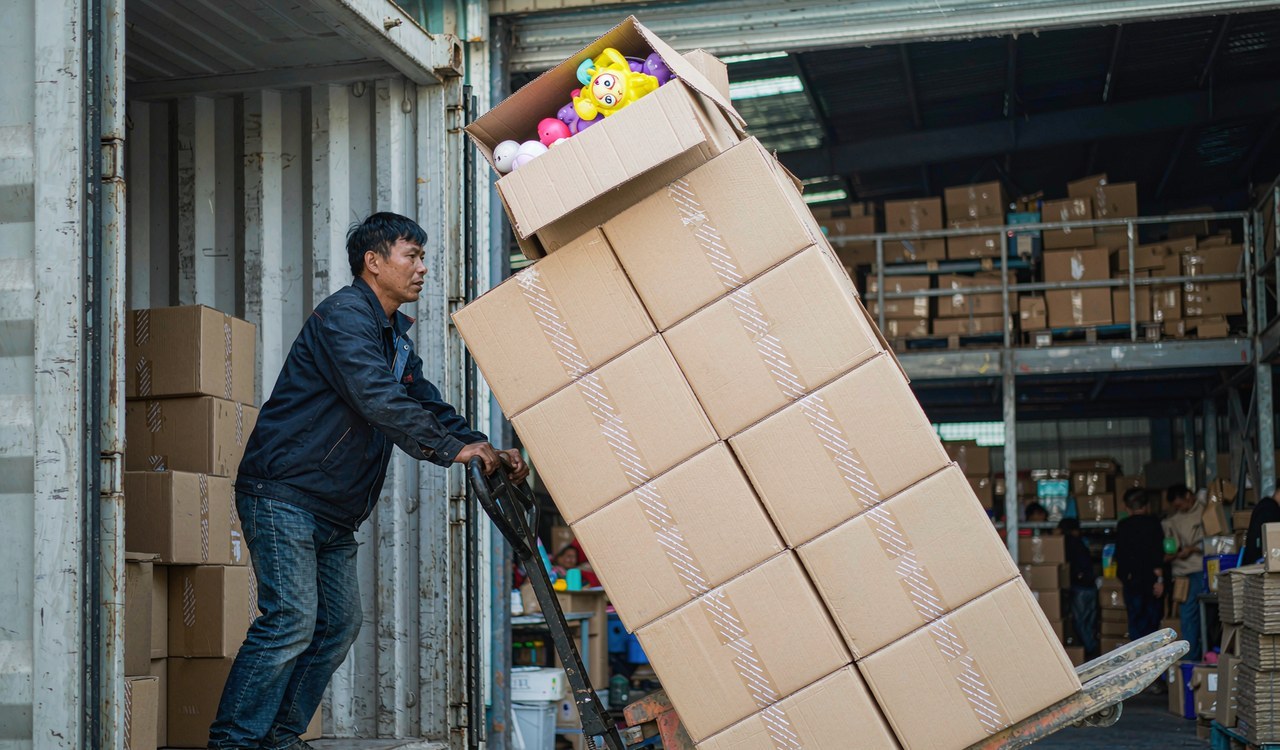
By the third day the batch is cartons on pallets, and the pallets go into a container that will spend a month at sea. Standing at the loading bay, the whole story compresses into one view: drums at the gate, racks in the middle, boxes at the door. Three days, one direction.
What stays behind is the habit. The same molds, the same bench, the same squeeze-and-watch that happens thousands of times a week. It is unglamorous work, and that is exactly why it works — because slow-rising softness is not a marketing claim. It is a manufacturing decision, repeated until it stops being a decision.
What Three Days Buys You
If you buy or sell squishies, here is the short version of what those seventy-two hours mean for your side of the table:
- Rebound you can verify. Ask any supplier how they check rebound time. If the answer is vague, the toys will be too.
- Color that matches on the shelf. Pigment matching is a lab job, not an eyeball job. It costs hours upfront and saves entire orders later.
- Custom shapes without drama. A clean mold and a tested wall thickness are why custom squishies come back round, not lumpy.
- Fewer surprises after unboxing. Cooling, resting and honest QC are invisible costs that show up as reviews you never have to answer.
Next step
Curious what your own shape would look like going through those seventy-two hours? Send us a sketch or a reference photo. We start every custom squishy project with a 3D-printed prototype you can hold before anything goes to mold, and we will walk you through the whole run, from pellets to pallet, exactly the way we just did.