
Shanghai Regulator Flags "Natasha" Baby Squeeze Toys: All 6 Sampled Batches Fail Safety Standards
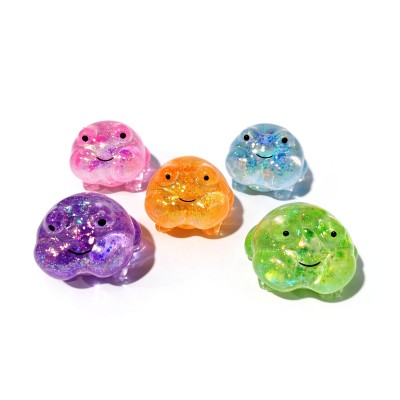
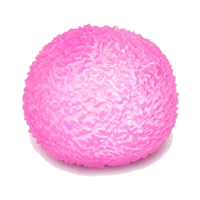
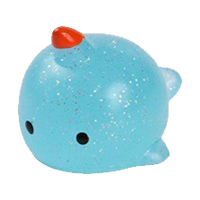
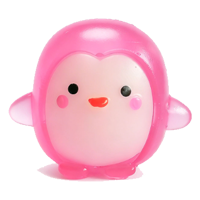
One of this year's most viral baby toys is under the spotlight. A special risk-monitoring campaign by Shanghai's market regulator found that all six randomly sampled batches of the hugely popular "Natasha" baby squeeze toys failed to meet China's national toy safety standards — on both physical and chemical grounds.
What the monitoring found
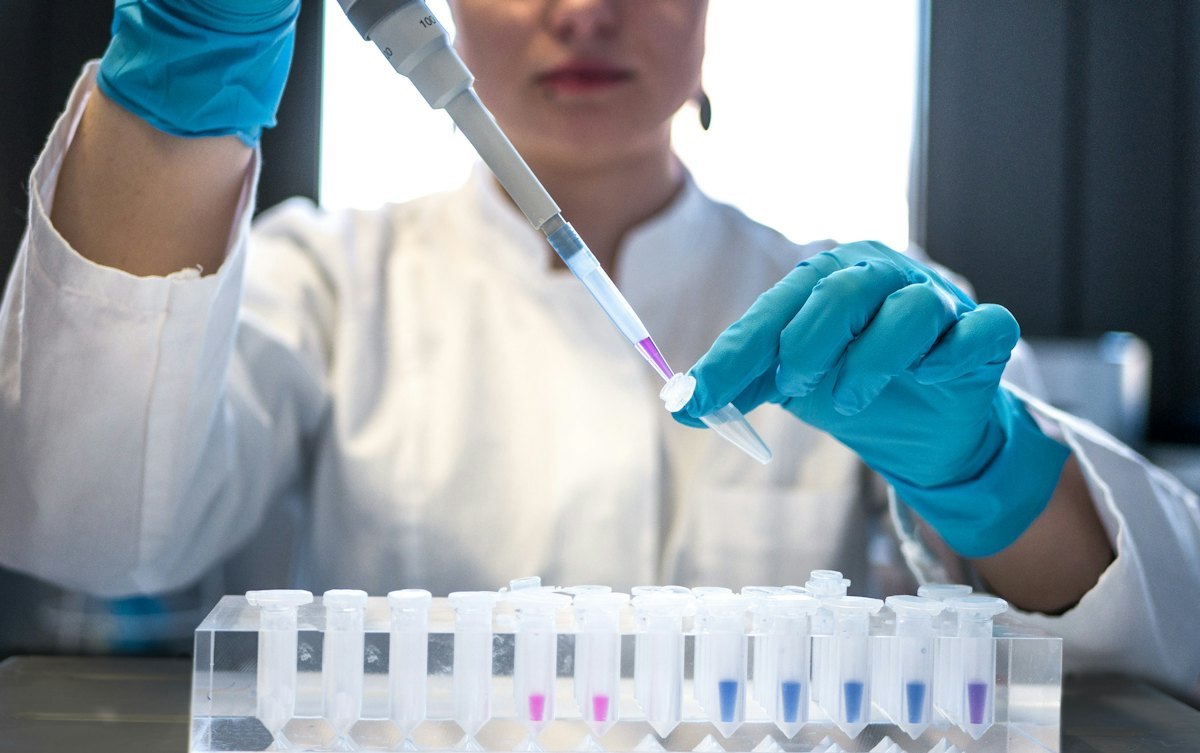
Shanghai Municipal Market Regulation Bureau randomly sampled six batches of the trending "Natasha" infant squeeze toys available on the market. Every single batch fell short of the national safety standard. The failures fell into two hazard categories:
- Physical hazards — small detachable parts, thin plastic film, and sharp points that pose choking and laceration risks to infants.
- Chemical hazards — emissions of toluene, xylene, and TVOC (total volatile organic compounds) exceeded permissible limits, raising inhalation and long-term exposure concerns.
The numbers
6 / 6 batches sampled — 100% non-compliant.
¥7–79 retail price range observed.
2 hazard types: physical + chemical.
Labeling also failed
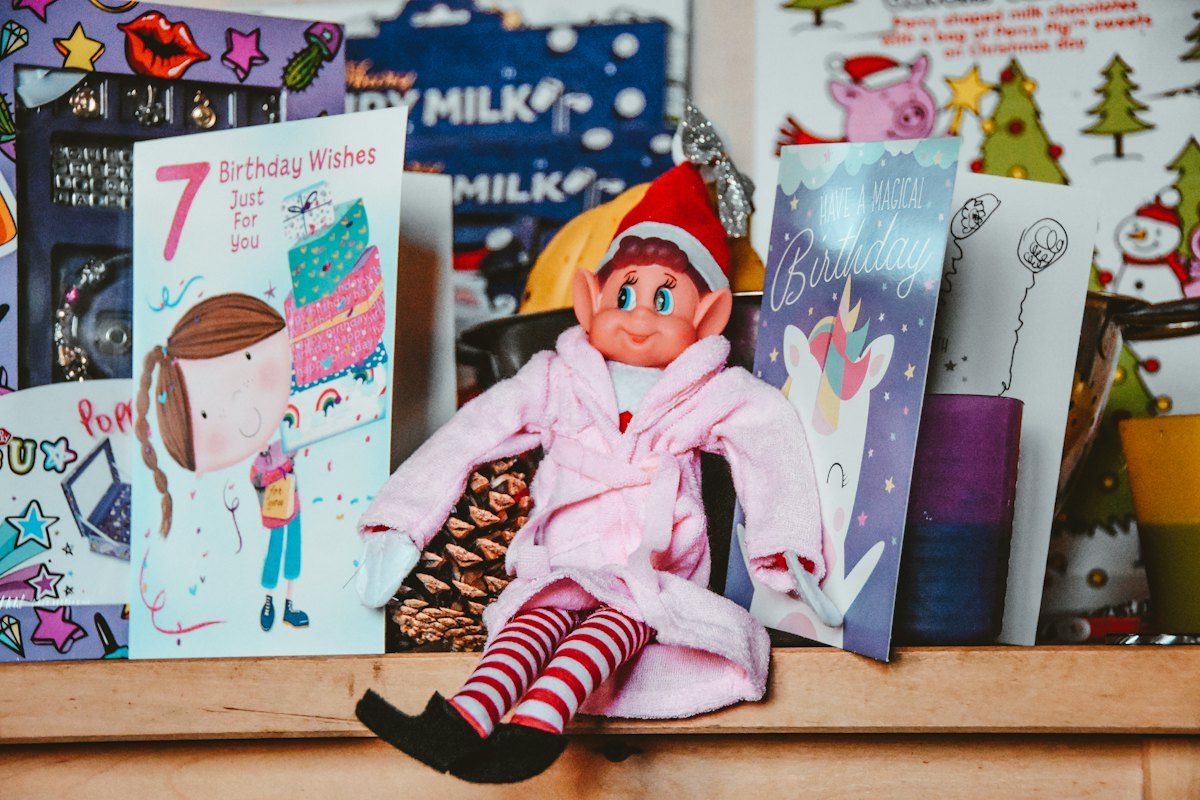
Beyond the safety defects, all sampled products were sold with non-compliant or missing labeling — a separate violation under China's toy labeling rules. Prices ranged from just 7 yuan to 79 yuan, meaning the risk spanned both budget and mid-tier listings.
"Natasha" squeeze toys are marketed toward infants and toddlers. The combination of small parts, sharp points, and elevated VOC emissions makes them a priority concern for both market supervision and responsible sourcing.

Why this matters for exporters
This domestic enforcement action lines up with a tightening global picture for squeeze and stress-relief toys. With China's new national standard GB 6675.14-2025 set to take effect on November 1, 2026 — the world's first toy-specific TVOC limit, expanding restricted plasticizers from 6 to 10 and adding limits for formaldehyde, benzene, toluene, xylene, and boron — manufacturers and OEM/ODM exporters should treat this monitoring result as a compliance checklist, not an isolated case.
- Require third-party lab reports for toluene, xylene, TVOC, and restricted plasticizers with every shipment.
- Eliminate small-part and sharp-point risks; verify labeling meets both domestic and destination-market rules.
- Prepare documentation for GB 6675.14-2025 ahead of the November 1, 2026 implementation.
Source: Shanghai Municipal Market Regulation Bureau — Original notice (scjgj.sh.gov.cn, Sep 23, 2026). This is an English adaptation of the Chinese source for the PlayGoro News column; figures and findings are attributed to the original regulator release.