Squishy Toys Face Wave of Global Delistings as Sales Boom and Oversight Tighten
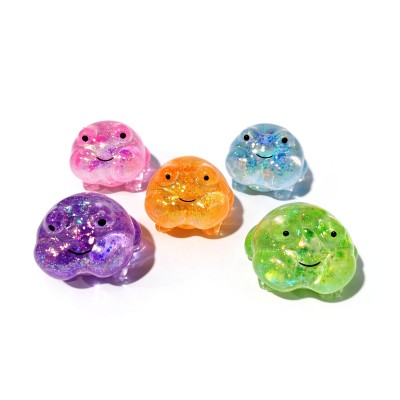
Squishy toys — the soft, squeezable PU/TPR/silicone stress products that swept Europe and the U.S. — are now hitting a wall of global regulation. Between June and September 2026, the U.S. CPSC, the UK's OPSS and the EU's Safety Gate issued back-to-back recalls and consumer alerts, while Amazon, Temu and other platforms launched large-scale delisting campaigns. Yet demand keeps exploding: U.S. squishy toy sales reached nearly $300 million in the first half of 2026, up roughly 4x year-on-year — the hotter the category sells, the tighter the scrutiny.
Dense recalls: chemical, choking and asbestos risks
In the U.S., the CPSC issued a consumer safety alert on August 5, warning that counterfeit squishies may contain excessive lead and phthalates, and cautioning children and teens against imitating viral "microwave your squishy" videos, which can cause severe burns. Working with U.S. Customs, the CPSC has intercepted 55 shipments totaling more than 350,000 non-compliant products at ports. Earlier in May, Walmart's best-selling Orb Funkee squeeze toys — about 121,000 units — were recalled over suspected asbestos in the sand filling. September brought two more recalls: GIHNJSI Squeezy Dumplings (~8,000 units) and Rainbow Mystery Squishy Bun Toys (~7,200 units), both pulled because internal water beads can expand if swallowed, posing choking, intestinal obstruction and even death risks.
In the UK and EU: on June 25, the UK's OPSS recalled a "steamer basket" squishy after testing found its outer layer contained benzene at 4x the standard limit — a serious chemical risk. Two further alerts in August extended the risk profile from chemicals to microbial contamination: liquid-filled squishies showed excessive aerobic microbes, yeast and mold, and were refused entry and destroyed. The EU's Safety Gate July notifications flagged detachable plastic eyes/feet/suction cups/beads as choking hazards, and asbestos detected in the sand of sand-filled squishies, which can cause cancer with long-term exposure.
Platforms move faster: no more self-uploaded compliance files
Regulation tightens, platforms move faster. The four major marketplaces have rolled out differentiated requirements for the squishy category:
- Amazon: toy sellers now face a TIC Direct Validation mechanism — sellers can no longer self-upload compliance reports; testing must be done by Amazon-recognized TIC bodies that submit results directly, refreshed annually. Since July, the U.S., EU and Canada sites have run squishy-specific crackdowns: non-compliant ASINs are permanently removed, and FBA inventory must have removal orders submitted within 60 days. CPC test reports must cover phthalates, heavy metals, benzene and TVOC — generic CE or basic CPC certificates are invalid.
- Temu: whitelisting and deposit grace policies are being phased out; sellers must upload reports from designated bodies to keep selling.
- TikTok Shop: EU/UK stores must submit CE/UKCA documentation plus traceability info (model/batch number, manufacturer name and address); U.S. children's toy sellers need children's product certificates and CPSC-accepted lab reports.
- SHEIN: since June 20, mandatory compliance admission applies to toys and other high-risk categories on its European and U.S. sites.

Latest technical standards across three markets
EU: the full EN 71 suite plus REACH — free benzene content ≤5 mg/kg and each of 6 phthalates ≤0.1%; the new EN 71-1:2026 requires reports to follow the new edition; the new Toy Safety Regulation (EU) 2025/2509 runs through around August 2030, with DPP digital product passports, PFAS and bisphenol restrictions worth preparing for early. U.S.: squishies for children 12 and under fall under mandatory CPC certification, built on ASTM F963-23, CPSIA and 16 CFR 1307; CPSC eFiling became mandatory on July 8, 2026, covering all shipment values and batches with no small-batch exemptions. China: the new national standard GB 6675.1-2025 takes effect November 1, with TVOC emission ≤0.5 mg/m3 — a world-first toy-specific limit — phthalate controls expanding from 6 to 10 substances, and a boron limit of ≤300 mg/kg for crystal-mud-type toys.
China is acting in parallel
CCTV's Weekly Quality Report has exposed the chemical hazards of bubble gel, squishies and crystal mud; the State Administration for Market Regulation has issued consumer tips for mud-type toys; and local market regulators across multiple cities are running special formaldehyde and toluene spot-checks on soft-PU squishies. Demand remains strong, but global regulators' tolerance for this category is falling fast. Whoever closes the compliance loop first will be the one left standing in this shakeout.