Korea's "Malangyi" Craze Goes Global: Adult Demand Lifts Stress-Toy Market Past $6 Billion
The global stress- and decompression-toy market reached roughly US$6.26 billion in 2026 (up 6.5% from US$5.88B in 2025, per a June 2026 Business Research Company report), and is projected to hit US$7.95B by 2030. The engine behind the number is no longer just kids — it is adults buying for themselves, and South Korea's "malangyi" squishy boom is the clearest signal yet.
What is moving
The boom is broad-based but increasingly adult-led. Three signals stand out for any factory serving the category:
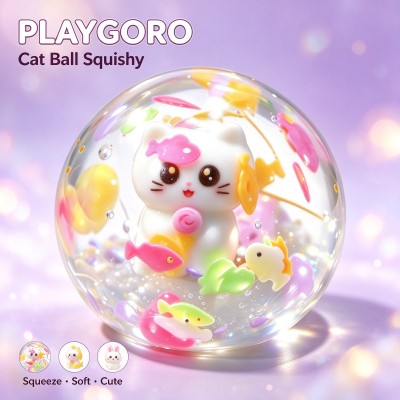
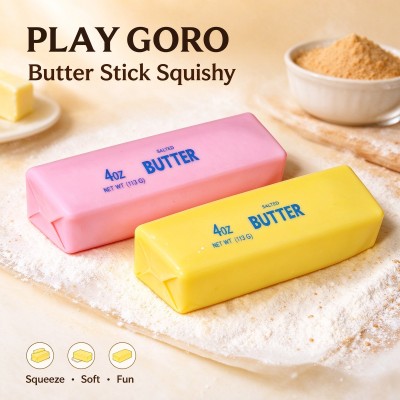
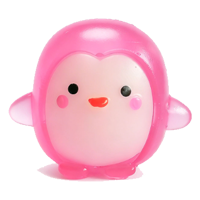
- Korea's "malangyi" wave: Soft squeeze toys that young Koreans (their 20s–30s) knead for tactile relief have moved from the kids' aisle into daily routines. An Incheon stationery store reported its toy section revenue jumped ~200% in a single month after social-media word of mouth; spin-offs like "wakpubol" (wax-coated clay balls) and "slangyi" (squishy + slime hybrids) went viral in H1 2026.
- US search & sales surge: Weekly Amazon search volume for "squishy" hit about 800,000 in late June 2026 — rank #16 across the whole platform — while tracking firm Asinsight flagged individual stress balls moving up to 40,000 units per month.
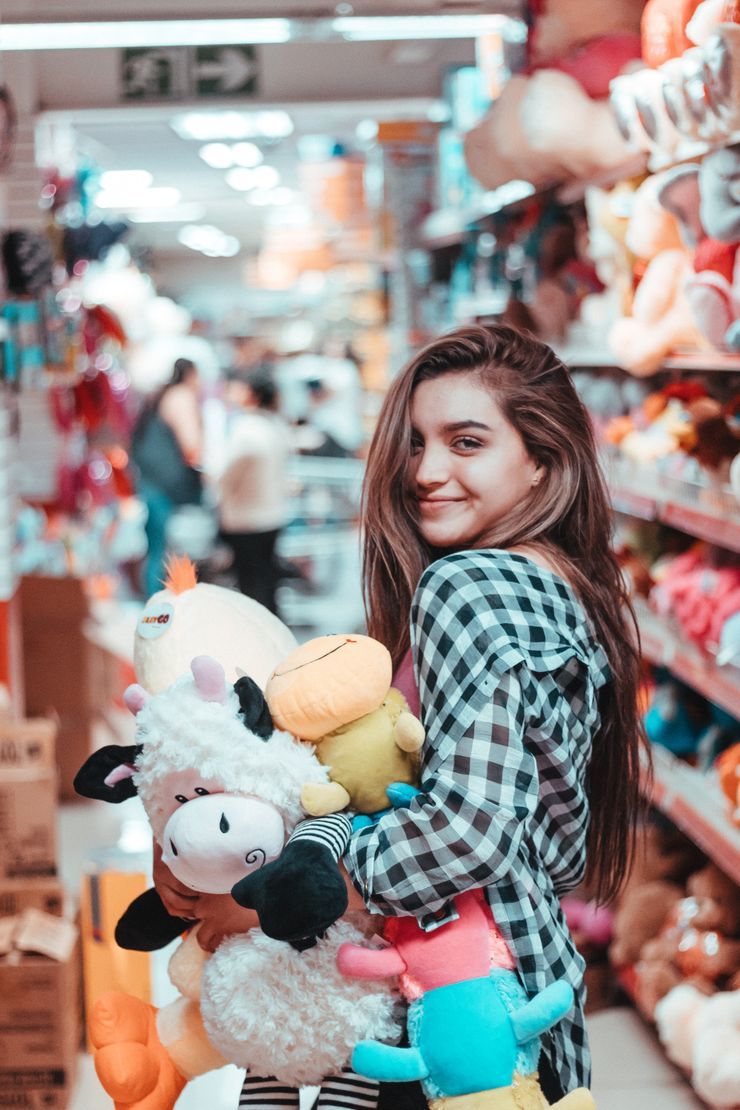
- The "kidult" effect: Adults purchasing products traditionally aimed at children now account for roughly 28% of global toy sales, outspending every other single consumer group. Brands like Squishmallows, Jellycat and Pop Mart's Labubu are now framed as wellness-and-collectibles plays; the wider plush segment was worth about US$12.1B in 2026.
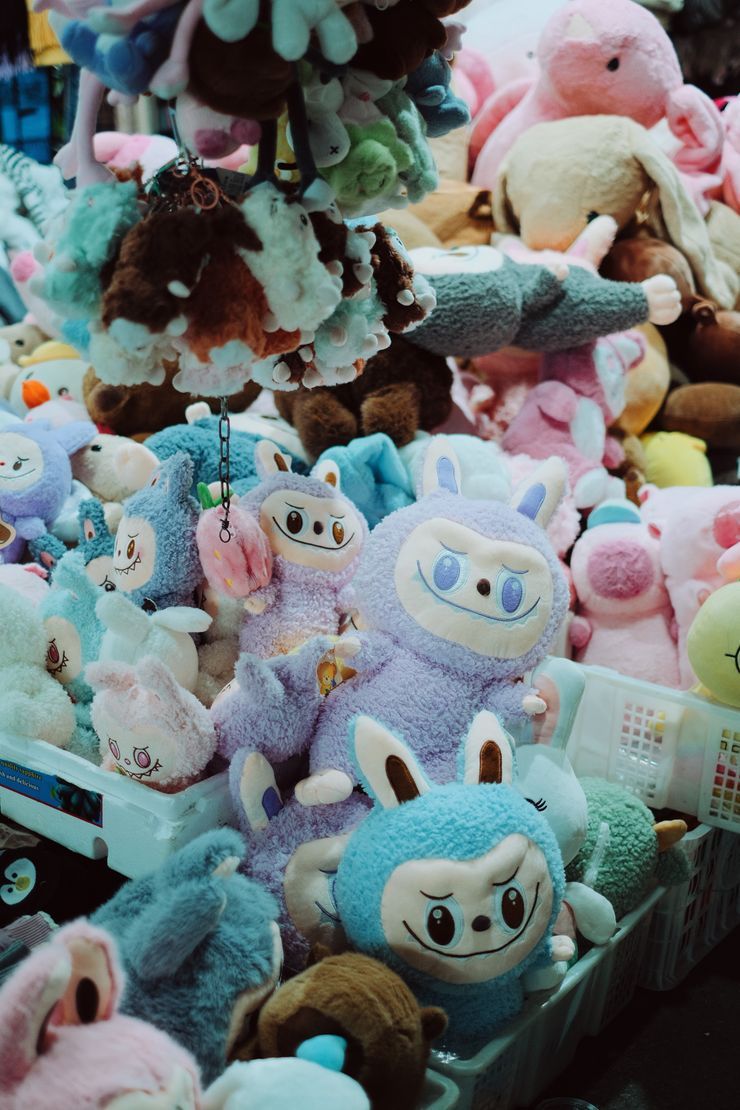
The Korea signal
In Korea the shift is as much about the experience as the object. Shoppers compare items across stores and physically handle them before buying; a university student interviewed at the Incheon store had already bought four "malangyi" and traveled 30 minutes across the city because the shop was known for selection. For exporters, that means in-store merchandising, tactile sampling and limited "collect-them-all" drops travel — the category is being bought like a hobby, not a one-off gag gift.
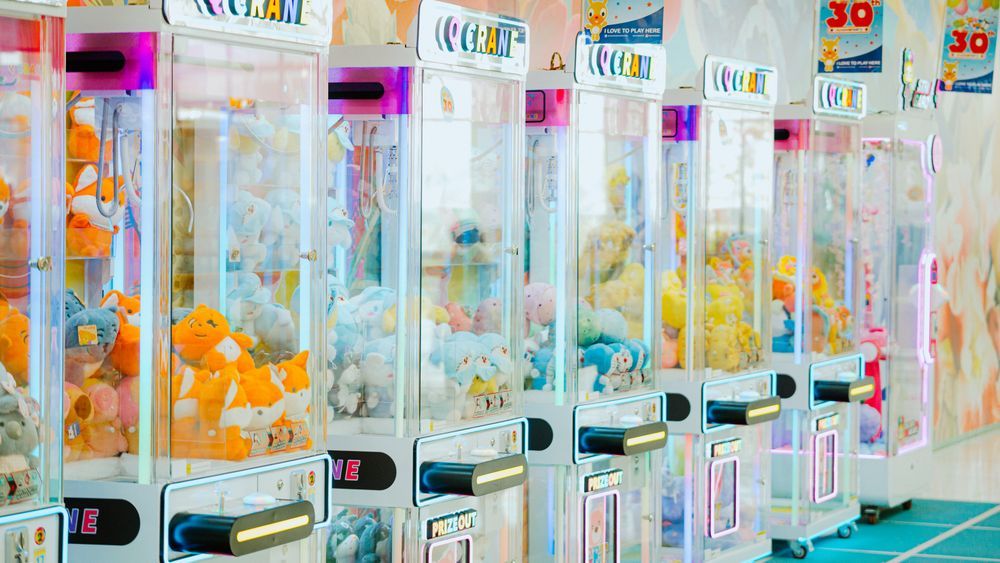
The numbers at a glance
The trajectory points up but is not a straight line. US Amazon data shows stress-relief search volumes dipped in early 2025 before recovering through summer, and analysts warn the category leans heavily on TikTok virality — momentum that can fade as fast as it arrives.
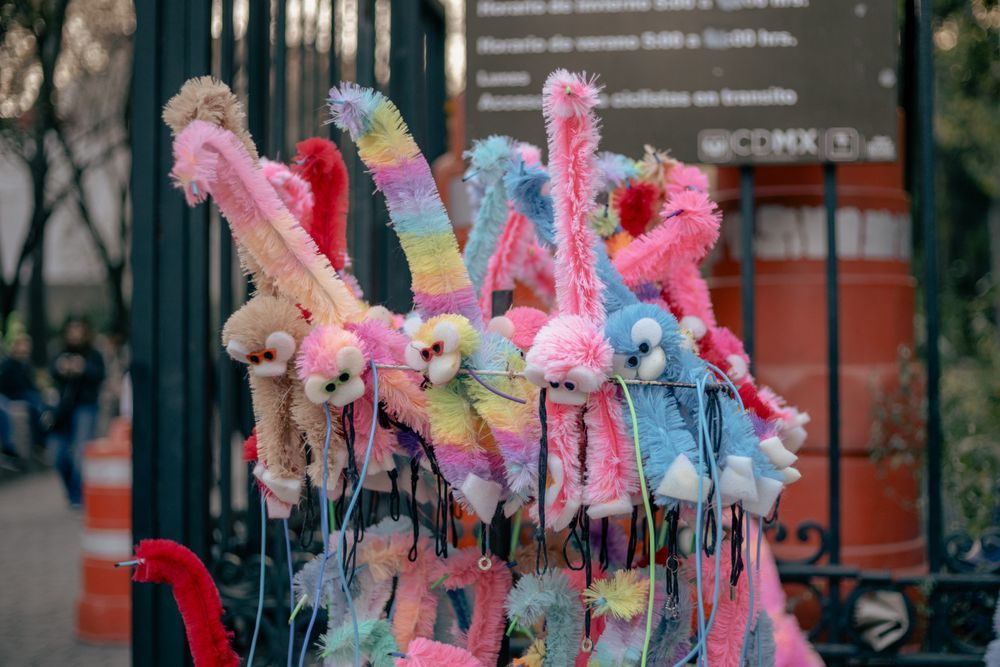
Why it matters for exporters
For a decompression-toy factory like PlayGoro, adult demand is a structural, repeating upside — not a fad. Stress relief, focus and "small but certain pleasures" keep selling even when consumer sentiment is weak. But the same period that lifted demand also tightened the regulatory net (the 2026 global recall wave on water-bead, chemical and microbial hazards). The winners will pair the demand tailwind with the compliance floor:
A window, not a blank check
Demand is real and growing, yet seasonal and trend-dependent. Factories that convert the craze into lasting orders are those who ship compliant, well-finished, story-driven product — and avoid the water-bead / unknown-filler / low-age white-label trap that got squeezed out of North America and Western Europe in H2 2026.