
Squishies Go Screen-Free: The Cozy Culture Shift
Squishies are having a quieter moment. At Toy Fair New York in February, the U.S. Toy Association named "Cozy Culture" one of its six play trends for 2026 — families choosing low-tech, no-tech toys to "power down and reset" as digital life speeds up. The same briefing described "Forever Young": adults are now one of the fastest-growing segments of the toy market. Squishies sit squarely at the intersection of the two, and the holiday season is where that shift becomes most visible.

The calm corner of the home, not the screen — where a squishy now lives. (Illustrative photo of a book and cup on a bed, not a Playgoro product image.)
A quiet trend with hard numbers
The direction is backed by survey data. A March 2025 Harris Poll found 73% of parents believe their children would benefit from a digital detox, including 68% of parents with children under six. The Toy Association's own research found 53% of parents want more toys that foster comfort and stress relief — and 81% of parents in 2025 were likely to add a toy or game to their own holiday list, up from 72% the year before. Circana puts adults aged 18 and older at roughly a quarter of U.S. toy sales. "Parents are recognizing the effects of overstimulation and are thinking more about how play can help kids regulate emotions, recharge, and reconnect," says Kristin Morency Goldman, senior director of strategic communications at the Toy Association. Toymakers, she adds, are "building comfort into products from the ground up."
The association's Adrienne Appell puts the shift more simply: "Play is no longer defined by age. It's about how people want to feel." Circana's 2026 U.S. toy report recorded triple-digit growth for squishy toys through April, in both dollars and units — a category more than doubling. The numbers describe a market that is being redefined less by who a toy is for than by how it makes a person feel.
From desk buddy to bedtime ritual
What changes is not the toy but where it is placed. The Toy Association describes Cozy Culture as a "conscious reset": play as a screen-free space for emotional regulation, creativity and connection. In practice that means a stress ball beside a laptop before a tense meeting, or a soft shape on the bedside table at the end of the day. The association notes that tweens and teens are using toys for stress relief and emotional well-being, while adults buy comfort pieces they do not consider babyish. Comfort-first design shows up as tactile materials, muted palettes, gentle interactivity and botanical or natural aesthetics — details chosen to soothe rather than energise.
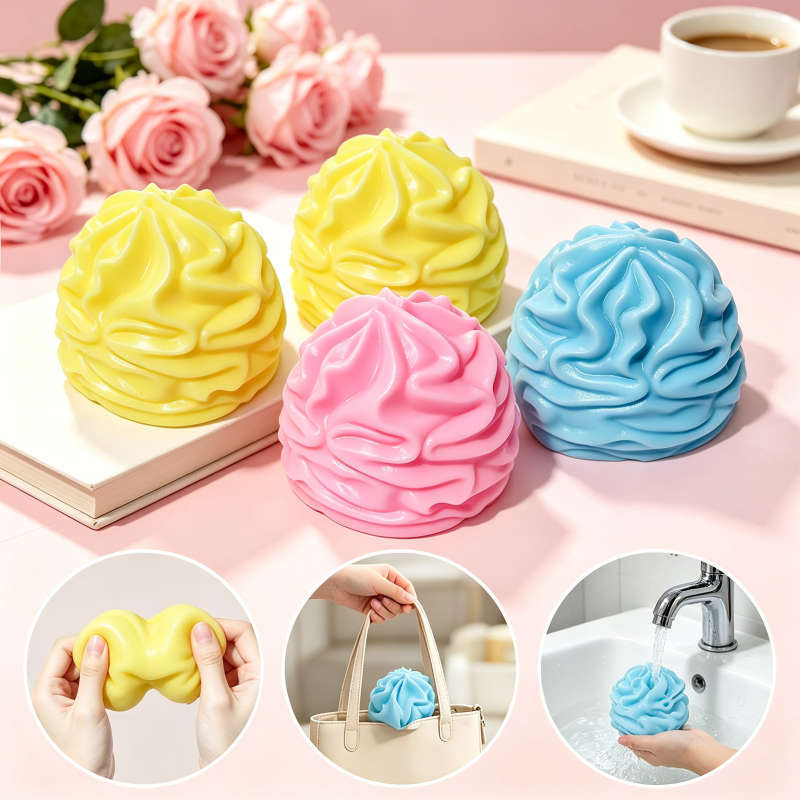
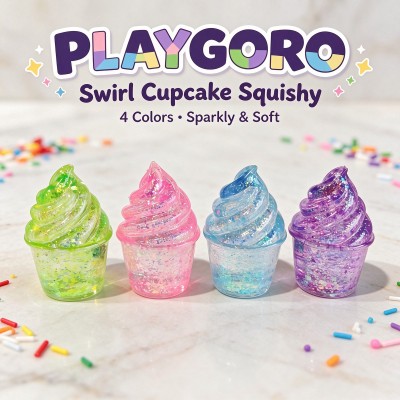
Pastel swirls and a soft, slow rise — the tactile, low-stimulation formats that fit a desk or bedside. Open product page →
Designing for calm, not claiming a cure
For factories, the brief is concrete: build comfort into the product rather than adding it in the marketing. The Toy Association's own wording is "low-tech or tech-free experiences," "simple play patterns" and comfort "from the ground up." That means blind, silent, repeatable squeezing; colours and finishes that calm rather than shout; and clear material and age information printed on the product. It also means staying on the right side of the line between "this helps me unwind" and a clinical promise — the moment a toy is sold as a treatment, the regulatory logic changes. As with any children's product, compliance is part of the comfort: material declarations, age grading and test reports are what let a buyer place the item on a shelf with confidence.
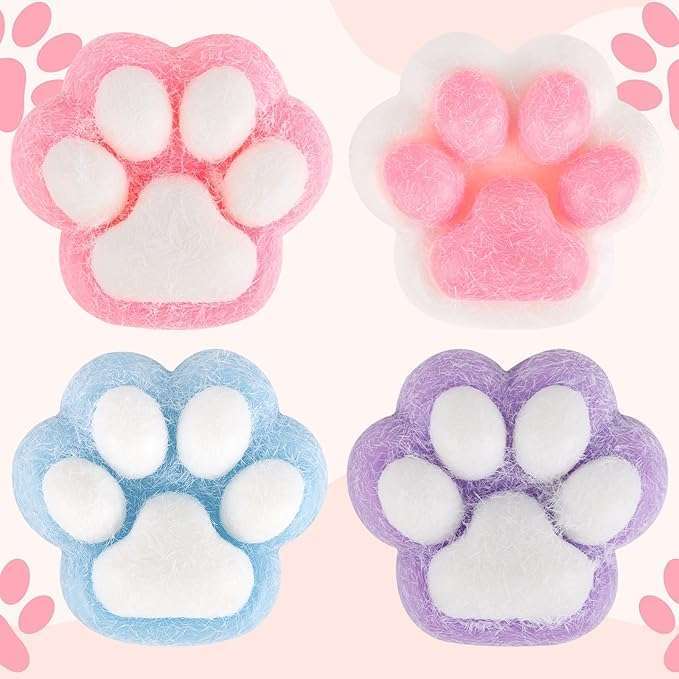
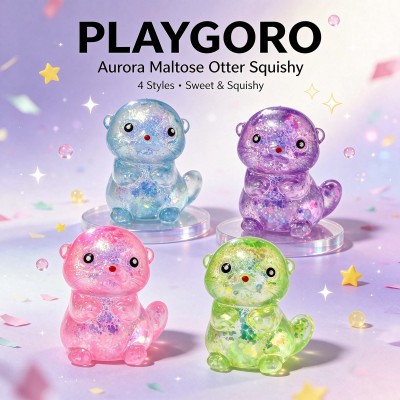
Soft, pastel and pocket-size — a "desk buddy" format that travels from bag to bedside. Open product page →
What this means for Playgoro
Playgoro builds exactly this kind of quiet, hand-held sensory toy: toy-grade TPR skins with a controlled slow rise and maltose or flour fills, in soft pastel colourways that suit a desk or bedside rather than a toy aisle. Every order is backed by GB 6675.14-2025 / CPSC-ASTM F963 / EN71-REACH documentation, material declarations and batch test reports, with clear age grading. For buyers, the Cozy Culture shift is a design brief: lead with tactile comfort and screen-free calm, keep claims honest, and make the compliance file easy to hand over. In a market where "how it feels" now decides the purchase, the feeling has to be engineered — not asserted.
Sources: The Toy Association, "Toy Fair Brings The Love and Top Toy Trends for 2026", 14 Feb 2026 (Cozy Culture; Forever Young; 81% self-gifting; quotes from Adrienne Appell and Kristin Morency Goldman); Total Licensing / The Toy Universe, "Cozy Culture: How Comfort-Centered Play Is Shaping the Toy Industry in 2026" (March 2025 Harris Poll: 73% digital detox; 53% of parents want comfort toys); Circana 2026 U.S. toy report via plushiepatch.shop, 2 & 6 Nov 2026 (triple-digit squishy growth through April). The bedside scene is an illustrative stock photo and carries no product link. The two squishy product photos are Playgoro's own — click an image to open its product page.