When Squishies Get Sued: IP Fights Hit the Toy Aisle
For years the biggest risk in the squishy trade was a product that didn't sell. This November, the risk moved to the legal desk. In the space of a few weeks, brands filed trademark, copyright and design-patent suits in U.S. federal court, and a major rights holder asked customs authorities to stop counterfeits at the border. The message to factories and sellers is blunt: in a category built on copyable shapes and viral lookalikes, intellectual property has become a real cost of doing business.
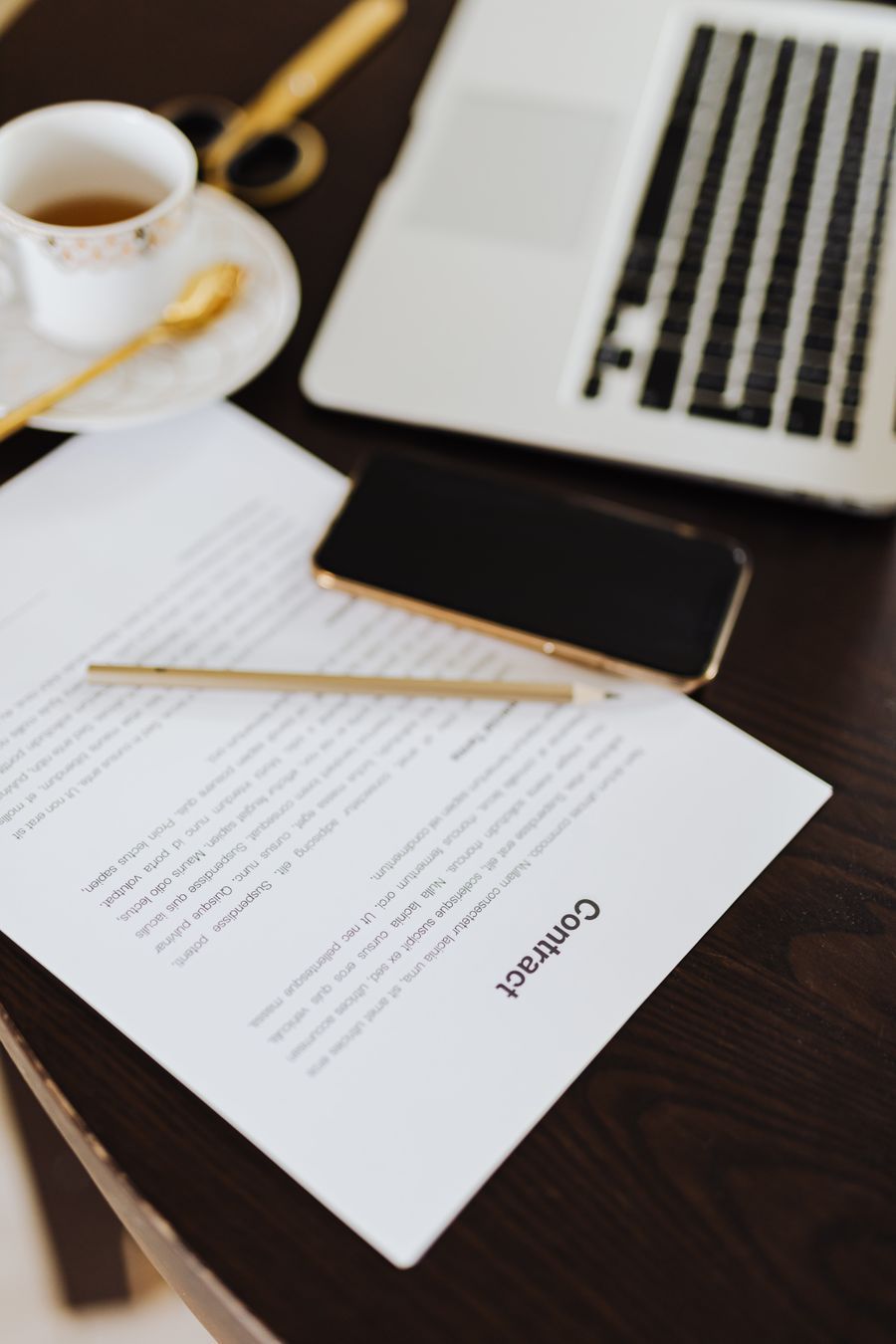
When a product goes viral, the paperwork matters as much as the mould. (Illustrative contract scene, not a Playgoro product image.)
Two lawsuits, one month
On 4 November 2026, Canadian toy maker The Orb Factory sued Florida-based J'Adore Official in the Southern District of New York (case 1:26-cv-09656) over the names "Spiky Squishy Orb" and "Magic Orb." Orb says it has used the ORB mark on children's toys since at least 1993 and holds seven live registrations, including ORB EASY SQWEEZY (registered April 2026) expressly covering squeeze and sensory toys. The complaint asks for injunctions, product destruction, an accounting of profits and damages. Nine days later, on 13 November, inventor Nathanel Deposki and Skybridge Enterprises filed case 26-cv-28115 through Rotek Law over the TikTok-famous Puking Ball — a squeeze toy that extrudes reusable slime. That suit bundles a word mark, a design patent (USD986350S), sculpture copyright and five product-video copyrights, targeting not just copied toys but sellers who reuse official images or demo clips in listings.
The detail that should make a supplier sit up: you don't have to sell a fake toy to be named. In the Puking Ball case, using the brand's photographs or editing its demonstration videos into an advert can itself be copyright infringement, even if the physical product is different. For cross-border sellers running image-heavy listings, the creative assets are now part of the legal exposure.
Border seizures and factory raids
In Australia, the maker of NeeDoh took a different route. Schylling and its distributor William Valentine registered the toy's intellectual property with the Australian Border Force "Notice of Objection" scheme, which lets authorities identify and seize suspected fakes at the border. The company described a "three-pronged approach": border filings, cease-and-desist letters to retailers, and raids on factories in China. Schylling had warned retailers back in June that counterfeit product and websites were coming "thick and fast," and fake NeeDohs turned up carrying unauthorised Coca-Cola, Pepsi, Red Bull and Monster branding — collaborations the brand says it never made. In the United States, the CPSC says it had identified 55 shipments of fake or counterfeit squishy toys at ports and blocked 355,683 units as of September 2026.
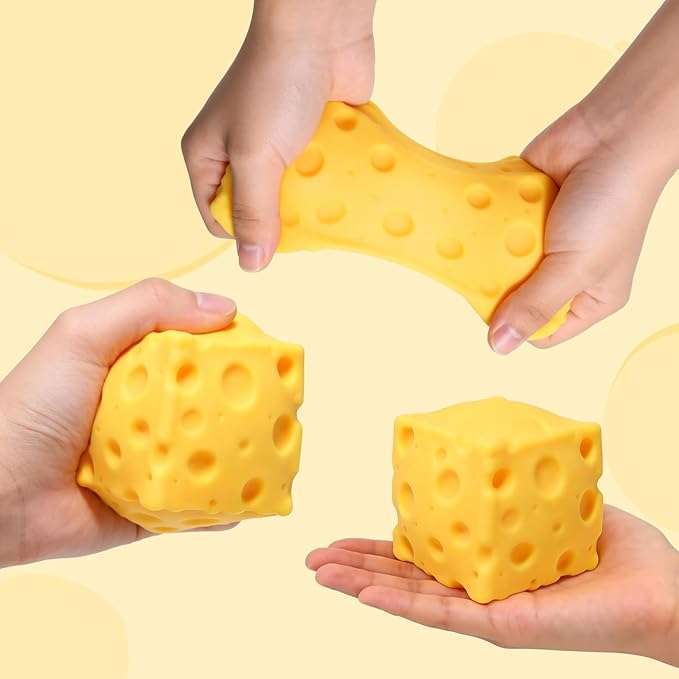
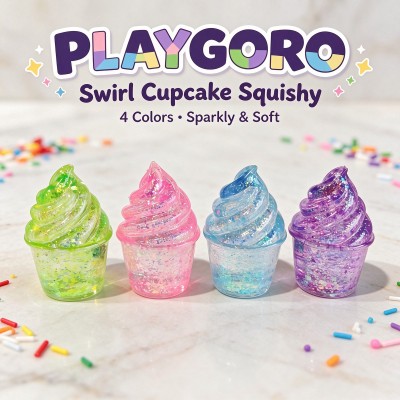
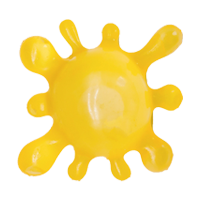
A realistic food shape is exactly the kind of design that gets copied — and exactly what a design filing can protect. Open product page →
What a factory can actually do
None of this means squishies are a legal minefield to avoid; it means the fundamentals now have commercial value. The practical response for a manufacturer is unglamorous but effective: keep original design drawings and dated samples, register the shapes and brand names you intend to scale, and shoot your own product photography rather than borrowing a viral brand's images. On the buyer side, ask for the chain of title — who designed it, who owns the mould, and whether the packaging or listing carries another party's mark. A supplier who can answer those questions quickly is a safer partner than one who simply has the lowest unit price.
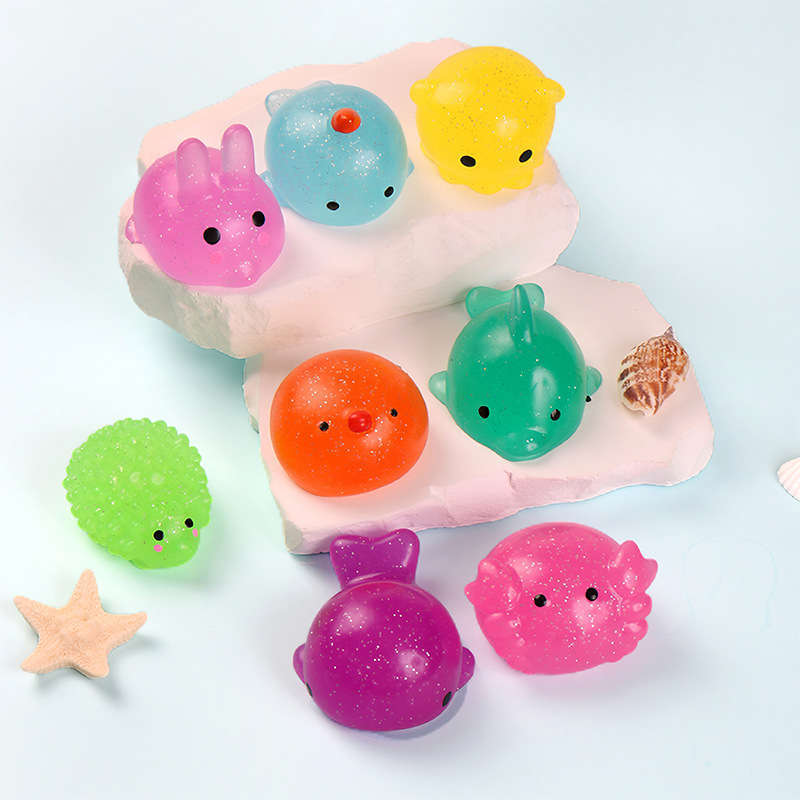
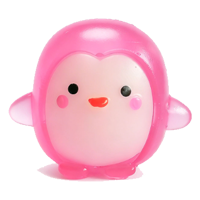
Original character shapes and in-house photography: the two things a rights holder can actually defend. Open product page →
What this means for Playgoro
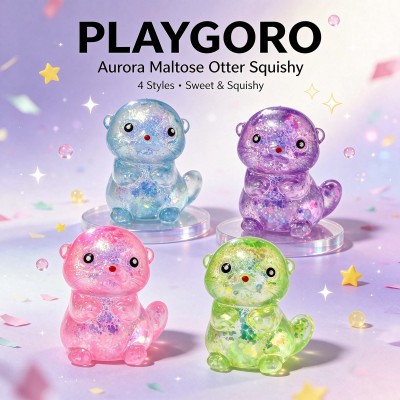
Playgoro builds and photographs its own designs in-house, so the two things these cases turn on — original shape rights and original imagery — are part of our standard workflow, not an add-on. Our PLAYGORO-branded lines ship with design records, in-house product photography and a documented chain of title, alongside the usual GB 6675.14-2025 / CPSC-ASTM F963 / EN71-REACH safety files. For buyers, that means a listing you can defend as well as a toy you can sell: ask for the design file and the photo source with your quote. In a market where a copied image can trigger a lawsuit, provenance is a feature.
Sources: Trademark Support, "The Orb Factory sues J'Adore Official over 'Spiky Squishy Orb' and 'Magic Orb' sensory toys," by Michael P. Eddy, 5 Nov 2026 (S.D.N.Y. case 1:26-cv-09656, filed 4 Nov 2026; ORB registrations incl. ORB EASY SQWEEZY Reg. 8,209,849). Global Shield / SaiBei IP, "Puking Ball 26-cv-28115 TRO report," 16 Nov 2026 (filed 13 Nov 2026; trademark Reg. 7,180,047; design patent USD986350S; five audiovisual copyrights; Rotek Law). Yahoo News Australia / ABC News / 7NEWS, "Maker of viral squishy toys asks Australia to seize fakes," Nov 2026 (ABF Notice of Objection scheme; three-pronged approach; China factory raids; unauthorised Coca-Cola/Pepsi/Red Bull/Monster branding). Times News Global, "Squishy Toy Microwave Trend Sparks Burn Warnings, Counterfeit Crackdown," Nov 2026 (CPSC: 55 shipments, 355,683 units blocked as of Sept 2026). The contract scene is an illustrative stock photo and carries no product link. The two squishy product photos are Playgoro's own — click an image to open its product page.