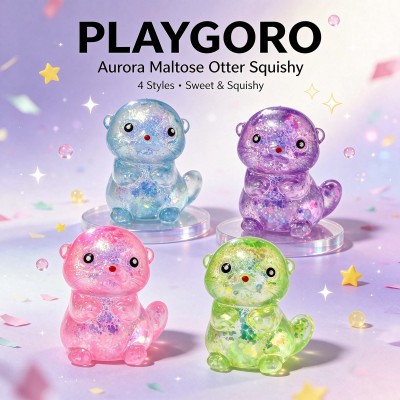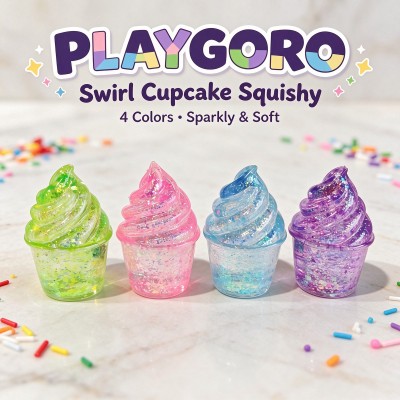

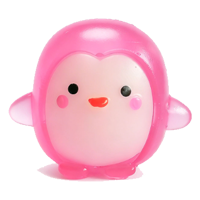

Blind Bag Squishies: The Assortment Spec Buyers Forget to Write
A buyer opened an inquiry last month with: "one series, twelve shapes, packed as blind bags." Our first question back was not about unit price. It was: what ratio, counted at which step, and how do we decide a bag is good?
That question used to sound fussy. In 2026 it is the whole order. When a customer buys a sealed bag instead of a named toy, the bag becomes the SKU — and everything that used to be a factory detail (how many of each shape, who counted them, which batch they came from) turns into a retail promise. Get the shapes right and get the mix wrong, and you still have a problem on the shelf.
In a mixed or blind-bag squishy order, the failure is rarely a bad individual toy. It is an undefined assortment ratio, a count nobody re-checked, batch identity that vanishes the moment shapes are mixed, and a sampling plan that only sees the top layer of a carton. Put those four things in writing before tooling, and most "quality" complaints never happen.
The shift is visible in the numbers. Circana's toy market data for the 12 months ending June 2026 reported double-digit growth for blind packs, slime and collectibles in Australia, and described trend-driven categories as a broad growth engine. Industry reporting citing Circana's August UK figures put collectibles at roughly one in every five toys sold, with the under-£10 price band up 23% in value and taking about two-thirds of unit sales — blind bags, miniatures and sensory squeeze toys called out as the formats driving it. In the US, CNBC reported squishy toy retail sales of about USD 297 million in the first half of 2026, roughly four times the same period a year earlier, with Circana putting unit sales at 58.6 million.
Low ticket, high repeat, easy to film, easy to gift. That is the 2026 shape of this category — and it is why the assortment sheet now matters as much as the mold. We keep the broader buying picture in our squishy toys wholesale buyer guide; this article is about the part that almost never makes it into a purchase order.
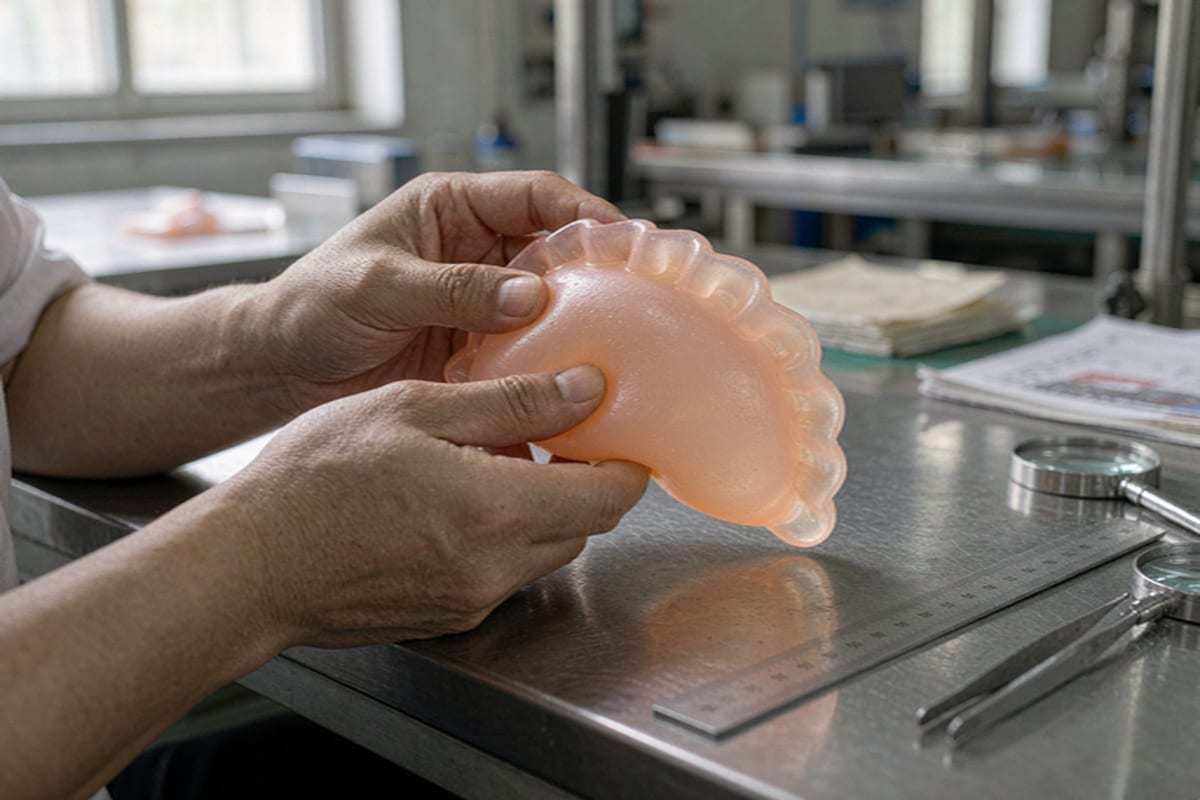
The bag is now the unit of sale
A single-shape order has one obvious failure mode: the toy. A blind-bag order has several, and none of them show up in a product photo. The customer cannot see the ratio, cannot count the bag, and cannot tell which batch the pieces came from. All three become your brand's problem at the checkout counter, not the factory's problem at the packing table.
There is also a commercial reason buyers drift toward mixed packs: a sealed bag smooths out slow-moving shapes. One hero design carries the line, the rest ride along, and the assortment as a whole sells through better than twelve separate listings would. That works — as long as the ratio is a number in a file rather than a sentence in an email.
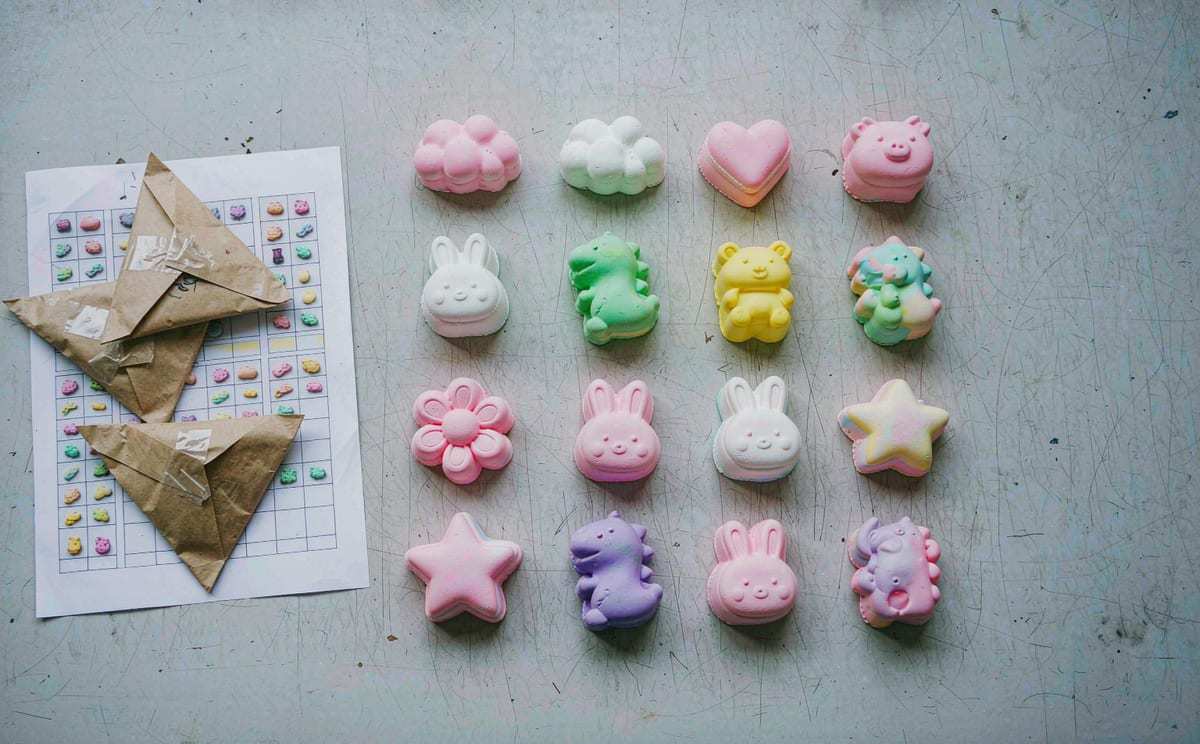
Five things that go wrong in a mixed carton
1. The ratio is written as a feeling
"Mostly the bestsellers, a few of each" is not a specification. Decide whether the ratio applies per bag or across the whole order — they are not the same. A 1:1:1 mix in every bag gives a predictable unboxing; the same ratio across 10,000 pieces can be shipped as twelve cartons of one shape each. If there is a chase or limited piece, its rate needs a number and a defined placement method, not a hope.
2. Counting happens once, at the wrong moment
Manual counting drifts toward the end of a shift. The check belongs at the bagging station, with a second method — a weight cross-check against a known sample bag — after sealing. A short bag found by a customer is a review; a short bag found on the line is a re-count.
3. Batch identity disappears at the mixing table
Before mixing, every piece belongs to a batch. After mixing, nobody can say which one. Batch codes and production dates need to be on the inner unit or the sealed bag before shapes go into a common bin, otherwise a later question about one shape turns into a question about the entire shipment.
4. Sampling only sees the top layer
A standard AQL pull from the top of one carton will not find a ratio error, because the error lives in the distribution, not in any single piece. Mixed orders need stratified sampling: units drawn from several bags, several cartons and several points in the packing run. We described the workshop sequence in how a squishy moves through our workshop in 72 hours; the mixing step is where most of that traceability has to be decided.
5. Inclusions and hardware add a second set of checks
We make glitter-filled, bead-filled and charm-hung styles on the same line — they are a normal part of the catalogue, not an exception. In a blind bag they simply need one extra pass: seal integrity on anything with a filling, and a pull check on any attached ring, cord or clip. A unit that leaks or sheds a small part inside a sealed bag affects the bag, not just that unit. Marking and identification requirements are covered in the 2026 squishy toy risk map.
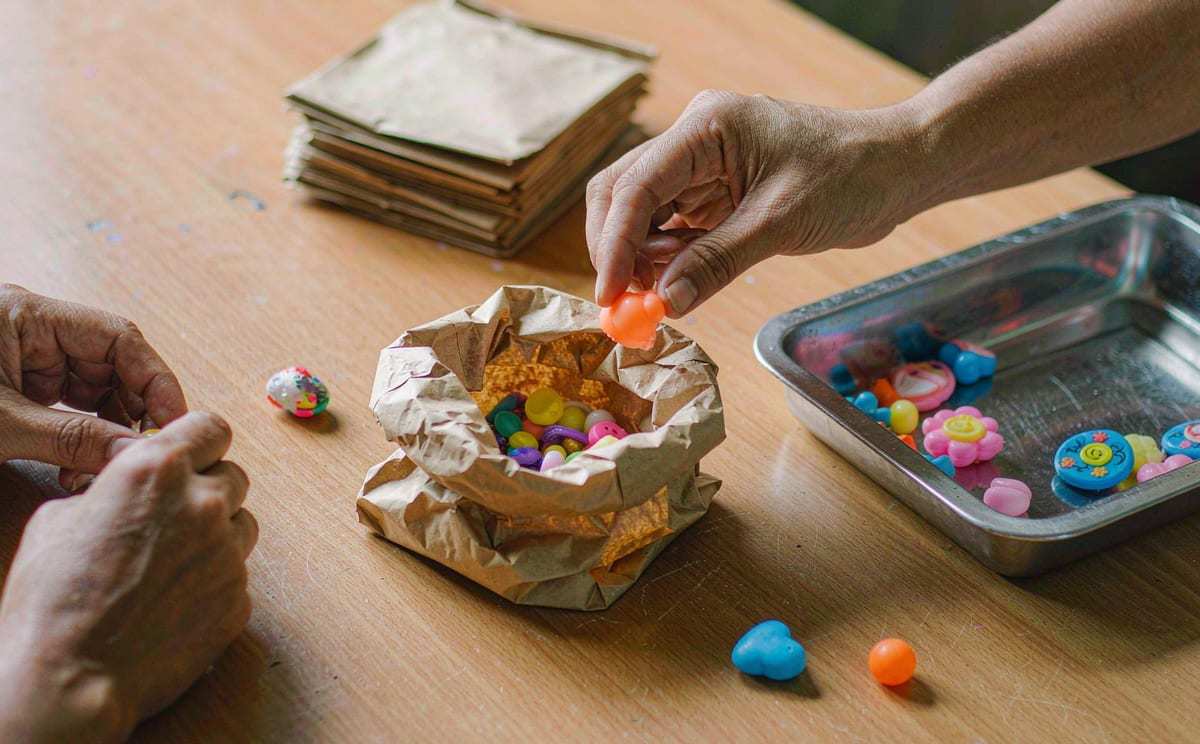
The assortment sheet we ask for
Six fields. None of them requires new equipment, and all of them are cheaper to settle before a mold is cut.
| Field | What has to be fixed | Why it matters |
|---|---|---|
| Design list | Every shape with a code and an approved sample photo | Stops "the pink one" from meaning two different molds |
| Ratio basis | Per bag or per order, stated explicitly | Determines whether the mix is reproducible |
| Chase / limited piece | Exact rate and how it is distributed | Prevents an accidental carton of all-rare pieces |
| Count method | Station count plus a sealed-bag weight cross-check | Catches short bags before they ship |
| Batch and date marking | Applied before mixing, on unit or sealed bag | Keeps one shape's question from becoming a shipment-wide hold |
| Sampling plan | Stratified across bags, cartons and run positions | Ratio errors only show up in the distribution |
Six lines to paste into your next PO
- Attach the assortment sheet as a controlled document, with a version and an approval date, not as a line in an email.
- State the ratio basis in one sentence: "ratio applies per sealed bag" or "ratio applies per total order." Pick one.
- Define the acceptance check for the mix, including where samples are drawn from and who signs the result.
- Require batch marking before mixing and say where the mark sits — unit, inner bag or outer carton.
- List the extra checks for filled or hung styles: seal integrity, attachment pull, and small-part security, scoped to those specific SKUs.
- Archive the final ratio with the order. The most common repeat-order problem is nobody remembering what the first mix actually was.
If you want the full path from sketch to shipment, our custom squishy toys sourcing guide covers the sequence, and sourcing slow-rise squishies that pass QC covers the hand-feel checks that should sit alongside the assortment checks.
Questions buyers actually ask
Can we just say "mixed evenly"?
Only if you also say evenly per bag or evenly per order. Those two produce completely different cartons, and a retailer will notice immediately which one they received.
Do blind bags still need product identification?
Yes. The surprise is in the shape, not in the safety information. Manufacturer or importer details, age guidance and warnings still belong on the bag or the packaging in the destination language.
Can glitter, beads or charms go into a blind-bag order?
Yes — we produce those styles. They just carry their own checks in a mixed pack: seal integrity for anything filled, pull and small-part checks for anything attached, and both recorded against the specific SKU.
Why can't we inspect the finished carton only?
Because a ratio error is invisible in a single unit. You can inspect every toy in a carton perfectly and still ship the wrong mix. The sampling has to reach across bags and cartons.
What should we keep from the first order?
The approved assortment sheet, the sealed-bag weight reference, the batch marking position and the sampling result. Those four make the reorder match the first delivery.
Sources
- Circana — Regional Toy Market Dynamics Across Europe, The Americas, and Asia-Pacific, Retail Tracking Service, 12 months ending June 2026 (blind packs, slime and collectibles posting double-digit growth in Australia).
- Industry reporting citing Circana UK August 2026 data — collectibles at roughly one in five toys sold; under-£10 band up 23% in value, about two-thirds of unit sales; blind bags, miniatures and sensory squeeze toys named as growth formats.
- CNBC, citing Circana — US squishy toy retail sales of about USD 297 million and 58.6 million units in H1 2026, roughly four times the prior-year period.
- The Business Research Company — Stress Toy Global Market Report 2026 (USD 5.88B 2025 → USD 6.26B 2026 → USD 7.95B 2030).
Planning a blind-bag or mixed-carton programme? Send us the design list and where it will be sold. We will come back with the assortment sheet we would actually run — ratio basis, count method, marking position and sampling points — before any tooling starts. We begin with a 3D-printed prototype so you can hold the shapes first; sample cost and freight are covered by the buyer.