The Squishy Toy Industry Has a Smell Problem
Quick answer: The reason cheap squishies smell like a petrol station is not bad luck. It is unbranded recycled TPR, no post-cure, and a factory that never tested its own batch. I have watched buyers save three cents a unit and lose a container at the border. Here is what actually goes wrong inside the skin — and what to ask for instead.
Straight up: 1,968 squishy toys seized in one English county this June, 5,900 in a Glasgow warehouse. Every single batch had the same fingerprint — strong chemical smell, no UKCA/CE mark, no importer address. None of that is a design failure. It is a buying failure.
Twenty years on the molding floor teaches you one thing above all: you cannot smell a good factory from a price list. You smell it in a sample bag, twelve hours after it clears customs. I have been on both sides — I have run presses, and I have sat in the room when a buyer opens a carton and goes quiet. Let me tell you what is actually in those cartons.
What Is Really Inside a Cheap Squishy
Take a standard 160g soft-filling ball. Three things go in it: the skin, the filling, and the process. Cheaping out on any one of them shows up on the shelf within ninety days.
| What goes in | The corner cut | What the buyer sees |
|---|---|---|
| Skin — toy-grade TPR | Unbranded recycled TPR, no batch traceability | Chemical odour at unboxing; sticky surface by month two |
| Filling — declared soft filling | Undisclosed gel or solvent blend to hit a weight target | "Unknown substance" flags at customs and security; recall exposure |
| Process — curing & QA | No post-cure, no batch testing, ship it same day | Inconsistent rebound; some units leak, some don't |
Here is the part nobody puts in a sourcing guide: the gel is where buyers get hurt worst. A gel core hits a target weight cheaply and feels great for a week. Then it becomes an unlabeled liquid in a sealed skin — which is exactly what airport security is trained to pull and what enforcement classes as an unknown substance. We build travel-channel orders without gel for precisely this reason. Foam and soft-fill constructions sail through a scanner and through a buyer's first inspection.
The Three Questions I Ask Before Quoting
When a buyer sends me a spec, I want three answers before I quote a number. If a supplier cannot answer these, you are not talking to a factory — you are talking to a trading desk.
- "What is the skin made of, by grade?" Not "TPR." Which grade, and who supplies it. If the answer is vague, the skin is recycled and untraceable.
- "What is the filling, in writing?" Named material. If it ships as "soft filling" with no chemistry behind it, you own the customs risk. See how we scope this on our OEM/ODM squishy manufacturing service page.
- "How long does it cure, and do you batch-test?" Rebound is a process outcome, not a material claim. Slow-rising behaviour — the roughly 8-second return buyers pay for — comes from the curing schedule, not the label.
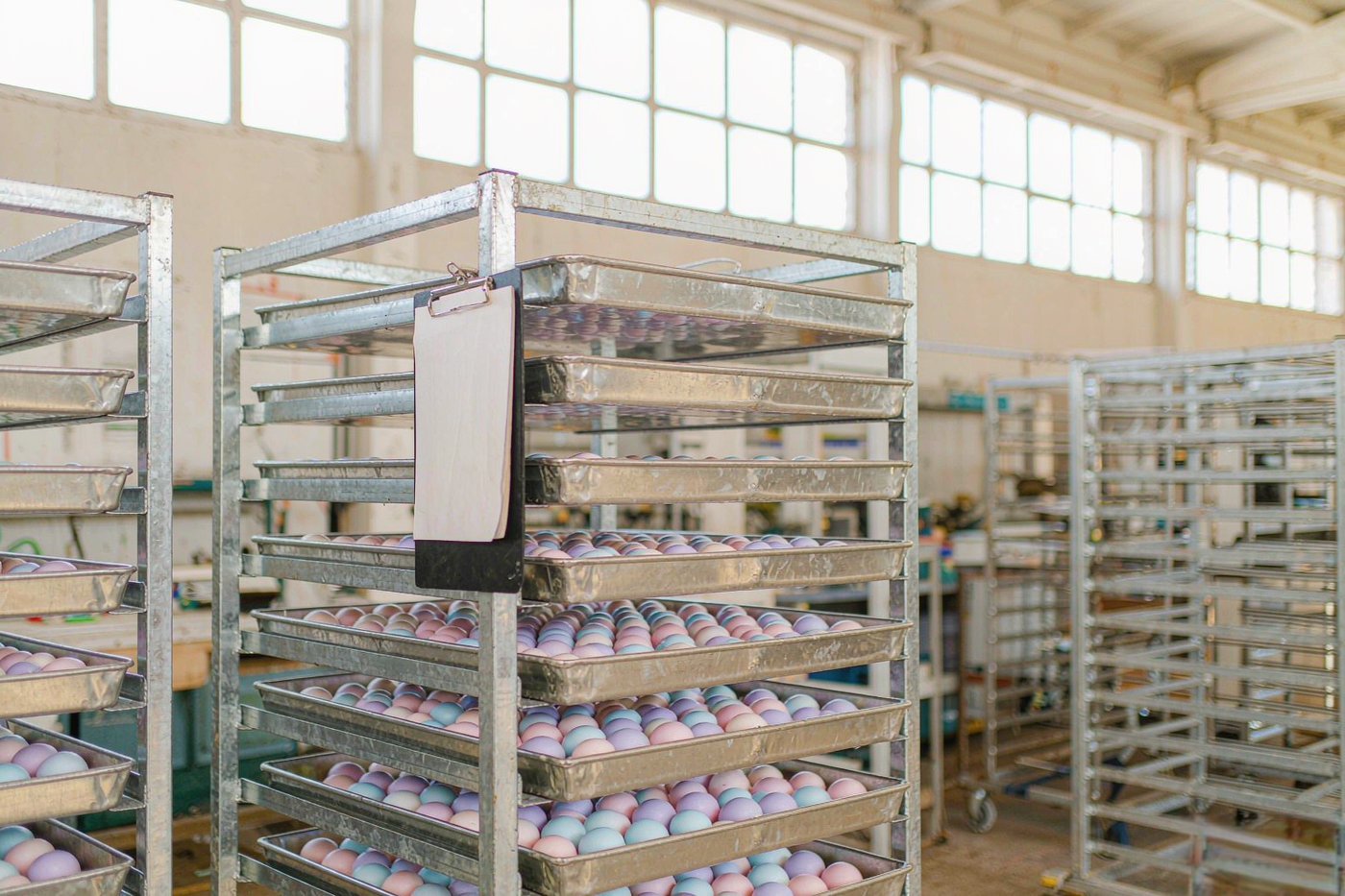
Rule of thumb from the floor: if the sample smells strong out of the bag, it will smell worse in a closed container after three weeks at sea. Odour does not dilute. It concentrates.
Why "Just Send Me the Cheapest" Always Costs More
I have quoted against factories that were 15% below me. I have also had those buyers come back eighteen months later, after a seizure notice or a product recall, asking what a compliant build actually costs. The maths is boring and unforgiving:
- Glasgow put it at roughly £71 per toy in avoided health-and-safety risk across 5,900 units — about £419,000 of exposure. That is the price of a non-compliant batch, priced by the government, not by me.
- Border holds are not free. A container that sits waiting is rent, storage and a missed launch window. Cheap units do not stay cheap once they stop moving.
- Retailers now limit squishy purchases per customer and audit safety labelling at intake. A non-compliant SKU does not get a second order.
The honest version: a compliant build costs more per unit and less per relationship. That is the whole trade. If you want the fuller risk picture, our custom squishy toys B2B sourcing guide lays out the whole buying process, and the sea vs air shipping breakdown covers what the container leg actually runs.
What a Real Prototype Round Looks Like
We do not start with a mold. We start with a 3D-printed prototype — you see the shape, hold the weight, check the corners, before anyone cuts steel. Sample cost and freight sit with the buyer; that is standard, and it is cheap insurance against a wrong mold.
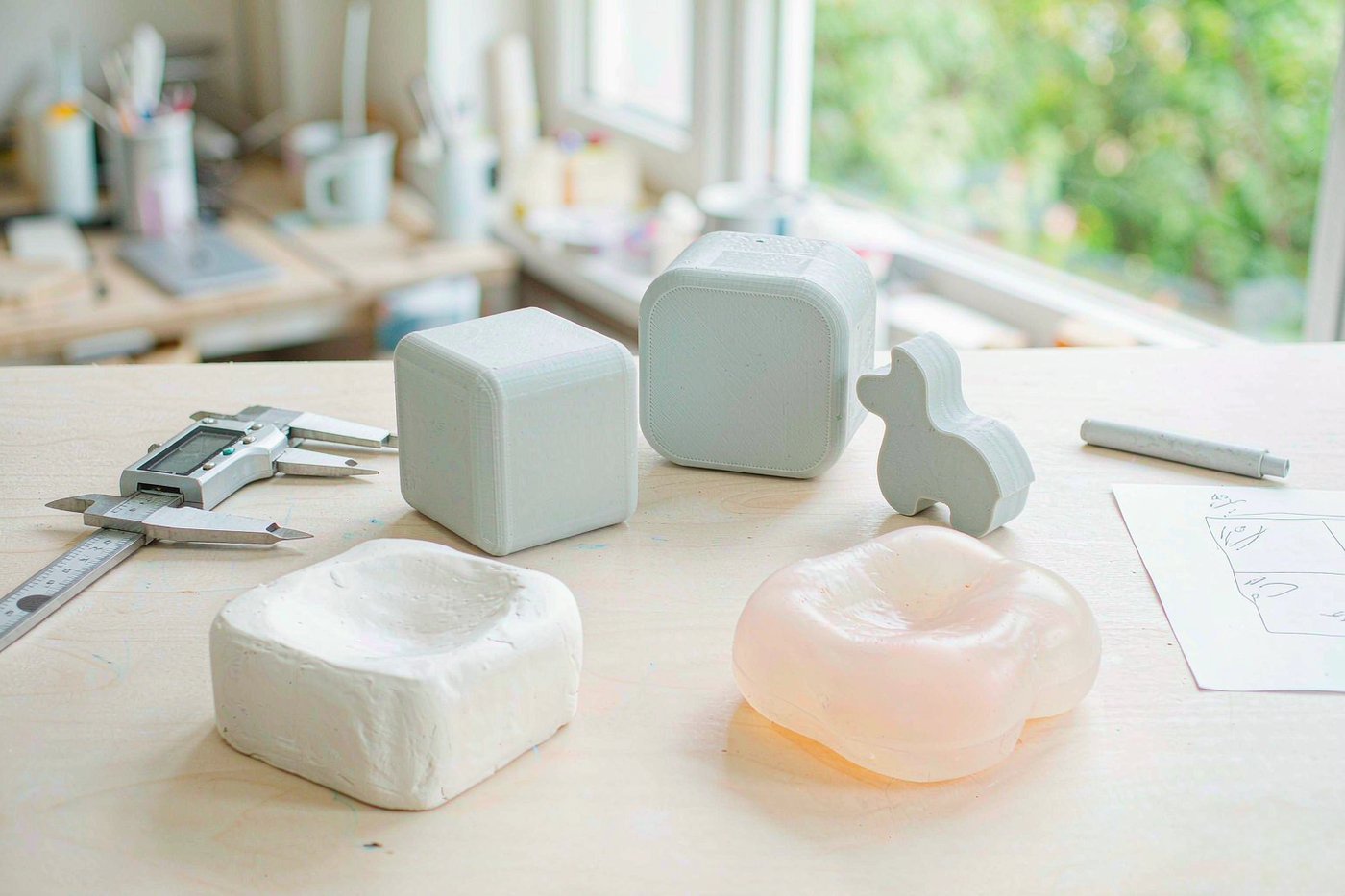
Then the sequence matters: prototype, then material sign-off, then labeling files, then tooling. Buyers who skip to tooling because a photo looked good are the ones who pay twice. You can browse the current shapes we already have tooling for in our wholesale squishy toys catalog, and the paper trail we can produce sits on the toy safety certifications page.
FAQ — Straight Answers
Why do cheap squishies smell so bad?
Unbranded recycled skin material, no post-cure, and solvent residue from a rushed process. If it smells strong in the bag, it will be worse after three weeks in a sealed container.
Is a gel core ever the right choice?
Only for channels that never meet a scanner. For travel retail, gifting and any air-freighted SKU, use foam or soft-fill. Gel over 100ml is treated as a liquid by security and gets confiscated.
How fast should a slow-rising squishy come back?
The figure buyers quote is roughly 8 seconds for a 160g soft-fill ball. That is a curing-process outcome. If a factory cannot describe its curing schedule, it is not controlling rebound.
Do I need to pay for samples?
Yes — sample cost and freight are on the buyer. The prototype is where you catch a shape problem for a few hundred dollars instead of a mold cost.
Sources
- Gloucestershire County Council — "Nearly 2,000 unsafe 'squishy' toys seized by Trading Standards" (24 Jun 2026)
- BBC News / Glasgow City Council — "Warning after 5,900 counterfeit squishy toys seized" (2026)
- North Northamptonshire Council — "Hundreds of non-compliant toys seized" (2026)
- The Business Research Company — Stress Toy Global Market Report 2026 (USD 5.88B 2025 → 7.95B 2030)
Send me your spec — target weight, channel and market. I will tell you straight whether it can be built compliant at your price, and what to change if it cannot. Talk to the factory.