Going Green: How Eco-Friendly Materials Are Reshaping the Squishy Toy
For years the squishy was judged almost entirely by how it felt in the hand. In 2026 the conversation has added a second axis: where the material comes from, and where it goes when the toy is eventually discarded. A wave of eco-minded materials is quietly reshaping how decompression toys are designed, sourced and sold — and it is no longer a fringe concern.
The materials leading the shift
Recycled silicone. Silicone was already the gentler alternative to petroleum plastics, but recycled silicone now closes the loop: several fidget brands surveyed in the FidgetToyHub 2026 Sustainable Stress Relief Guide have moved to 100% post-industrial and post-consumer recycled silicone, with elasticity and squish identical to virgin material. You get the same satisfying squeeze with a smaller footprint.
Natural rubber. Harvested from the Hevea brasiliensis tree, natural rubber is renewable and biodegradable, and gives stress balls a firm, responsive squeeze. The caveat — latex sensitivity — means it is one option among several, not a universal replacement. PLA bioplastic, derived from corn starch or sugarcane, is compostable under industrial conditions (look for ASTM D6400) and is gaining traction for short-lifecycle items, provided brands educate buyers on disposal to avoid "greenwashing."

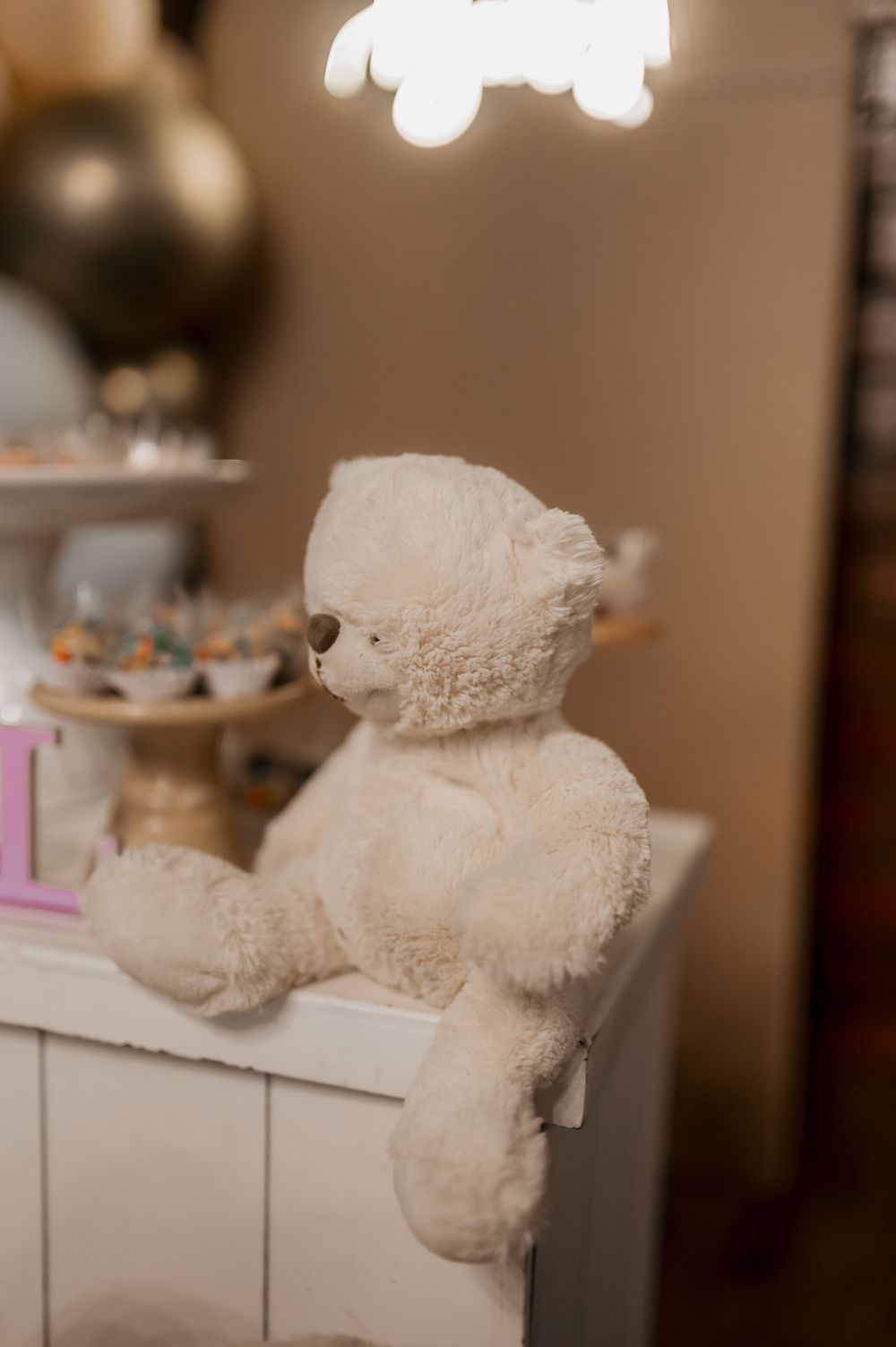
Renewable, fast-growing materials like bamboo and cork are entering the sensory-toy toolkit.
Bamboo and cork. Bamboo — one of the fastest-growing plants on earth — and bark-harvested cork are renewable, naturally antimicrobial and pleasantly tactile. They signal "premium and responsible" without sacrificing the sensory payoff buyers actually pay for.
Why buyers now ask for "eco" by name
The demand is no longer hypothetical. The 2026 Squnchy buying guide reports that parents are moving away from borax-based slimes after safety warnings, pushing eco-safe squishy balls made from paper clay and TPR that are borax-free, BPA-free and CPC-certified. The broader fidget market was valued at $2.8 billion in 2025 (DataIntelo), and a meaningful slice of that growth is the "clean ingredients" segment. Manufacturers are responding directly: vinyl-toy suppliers now list eco-friendly PU foam / TPR mochi squishies certified to EN71, ASTM F963 and CPSIA — sustainability and safety arrive as a bundle.

"Green" and "safe" are increasingly the same purchase decision for today's toy buyer.
The compliance link you cannot skip
An eco claim sits right next to a safety claim — and one fails without the other. A "green" toy that fails chemical testing is still a recall risk, and greenwash erodes the very trust it tries to build. The Toy Association opened its 6th annual Toy Safety Awareness Month on November 2, 2026, with a Wakefield survey of 1,000 U.S. parents finding 87% say a knockoff's lower price is not worth the safety risk. Buyers increasingly ask for EN 71 and VOC / benzene screening before they commit — the same screening mindset that now extends to material provenance.
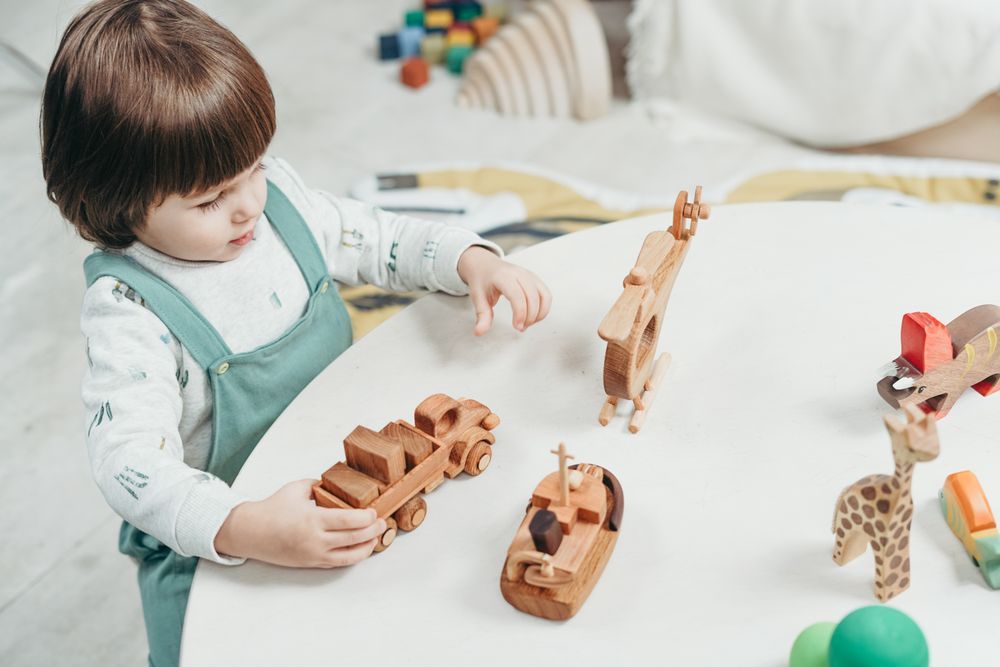
Eco-friendly toy lines are moving from niche shelves into mainstream assortments.
What this means for Playgoro
A decompression-toy factory lives or dies on two things buyers now check together: is it safe, and is it responsible? Playgoro's answer is a single standard — disclose every material, avoid borax / phthalates / prohibited chemicals, and meet the toughest bars (China's GB 6675.14-2025, U.S. CPSC / ASTM, EU EN71). We are also trialling recycled-silicone and PLA-based formulations in our R&D pipeline so a Playgoro squeeze can be kind to the hand and to the planet. "A toy you can squeeze without a second thought" is the only claim we are willing to stand behind — for your hands, and for the planet.