

Smart Toys Go Light: Why the Squeeze Still Wins
For two years the toy industry has been told that the next big thing is a chip. In 2026 that story split in two. One camp is building smart fidget devices with sensors, Bluetooth and companion apps that claim to track stress and focus. The other — and this is the more interesting turn — is taking the electronics back out. A 14 November report on China's AI companion-toy market describes a "light hardware" route that strips the battery, speaker and microphone from the plush entirely, leaving a passive NFC tag and handing all intelligence to the phone and the cloud. For a decompression-toy factory, both roads end at the same place: what the hand feels has to be right.
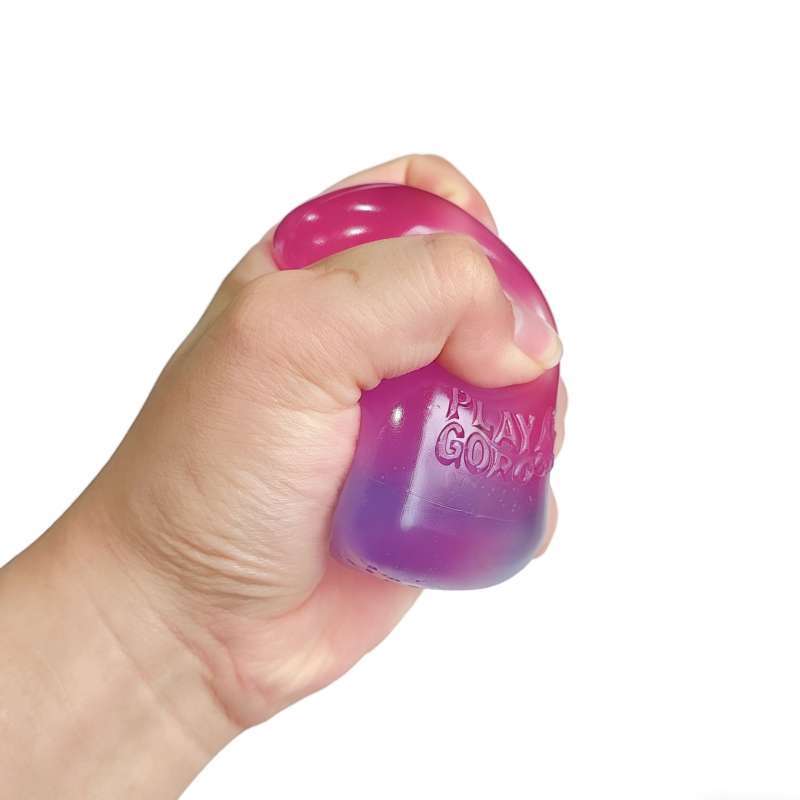
Two opposite bets on the same toy
The smart-fidget case is well documented. Verified Market Reports' 2026–2034 fidget-toy outlook lists sensor-equipped devices with Bluetooth and app integration that monitor stress levels, track usage patterns and customise sensory feedback, with haptics, LED and sound layered on top; it names Fidgetly and SmartFidget as early movers and flags generative AI as a force in rapid design iteration and virtual customisation. The wider connected-toy market is moving the same way: LEGO unveiled its sensor-embedded SMART Play platform (Smart Bricks, Smart Minifigures, Smart Tags) for screen-free interactive play in January 2026 and demonstrated it at CES 2026, with Star Wars sets from 1 March; Mattel, Hasbro and Spin Master are pushing app-connected and AI-enhanced lines.
An honest caveat comes from inside the category. Shop Speks' 2026 trend review says most smart fidgets remain at prototype stage and advises waiting for proven reliability, while pointing out that unplugged tactile tools still do the job they were designed for — keeping hands busy without adding another screen. The technology is real; it is not yet the default.
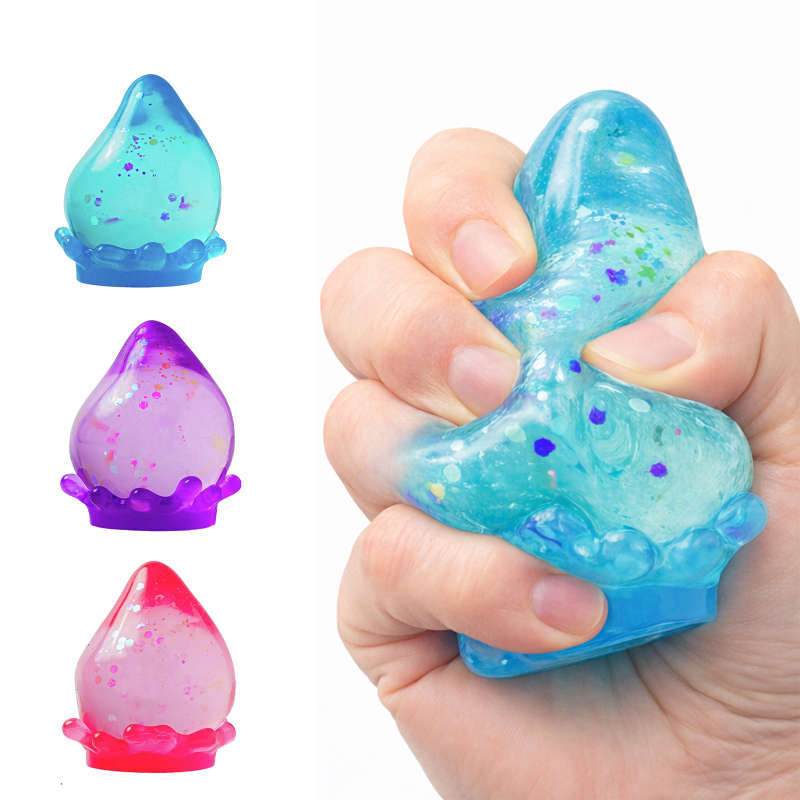
A squeeze is a physical event: deformation, resistance and slow rise cannot be simulated by an app.
The counter-move: take the electronics out
Chinese tech outlet China.com profiled Shanghai-based SomniNono (幻之诺诺), an original AI companion-toy brand launched in 2026, on 14 November 2026 as the clearest example of "light hardware". Three routes exist — fully featured, voice-simplified, and light. The light version removes the battery, speaker, microphone and camera from the plush; all that remains inside is a passive NFC identity tag (typical range about 4 cm, no power, no network, no location, no personal-data storage). Dialogue, character growth, story content and mini-games all run on the user's phone and in the cloud; the tag is simply a shortcut that wakes the right character in the app. Hardware collapses to a plush plus one tag, putting the price in the low hundreds of yuan.
The payoff is risk, not just cost. The same analysis notes that three chronic problems of smart plush — battery overheating or leakage, always-on microphone privacy concerns, and electronics ageing into a dead toy — disappear on the physical side in one move. The trade-off is explicit: offline, it is just a quiet plush. Meanwhile, at the 140th Canton Fair, AI companion toys were the headline (voice-interactive dolls wired to Doubao and Qwen, a tri-engine "electro-beat" doll supporting 60+ languages, LED-emotion animal plush), yet the same fair's squeeze-toy makers were talking about something else entirely: switching to food-grade silicone to meet China's new national standard and overseas safety tests. One hall, two priorities — add intelligence, or make the material unimpeachable.
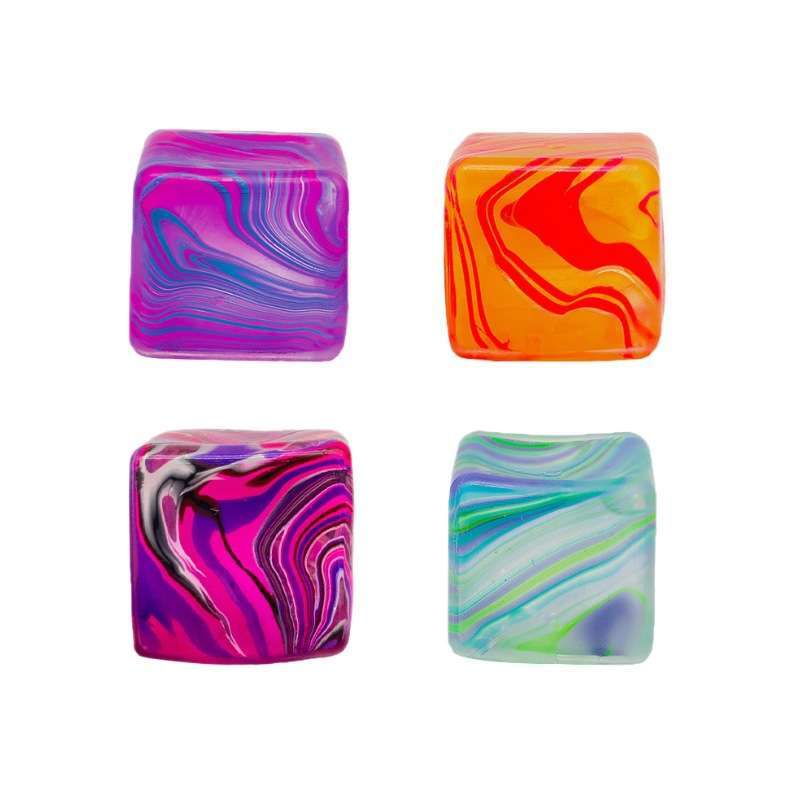
Material and texture do the work — no screen, no battery, no firmware to update.
What the factory actually has to deliver
Whichever route a buyer chooses, the physical side gets harder, not easier. Touch is now the differentiator: a controlled slow rise, a clean rebound, a fill that does not separate, a skin that passes odour and migration testing. Embossing and sculpting become identity markers — the physical equivalent of that NFC tag. And compliance travels with every unit: China's GB 6675.14-2025, U.S. CPSC / ASTM F963, EU EN71 / REACH, plus material declarations and batch test reports. Electronics simply add a second compliance layer on top: the CPSC's December 2025 final rule on water beads and the EU's Toy Safety Regulation 2025/2509, published the same month, show how fast that layer is tightening — before battery transport rules and data-privacy obligations are even counted.
That changes the sourcing calculus. A connected toy carries a longer bill of materials, extra certification and an after-sales tail. An unplugged squeeze toy carries none of that, which means all of its perceived value rests on material quality and process consistency. When the toy cannot fall back on an app, the factory's ability to reproduce the same hand feel batch after batch is the whole product.
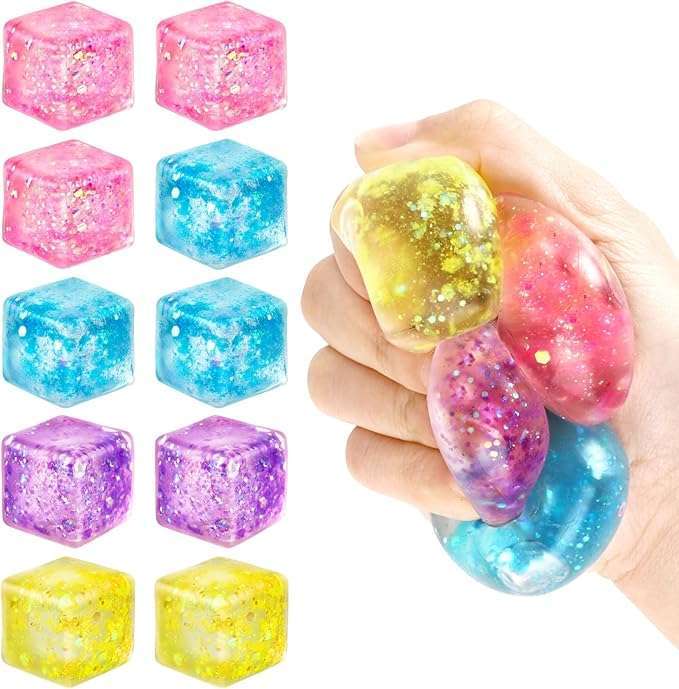
Colour, fill and rebound are specified at the factory, not in software.
What this means for Playgoro
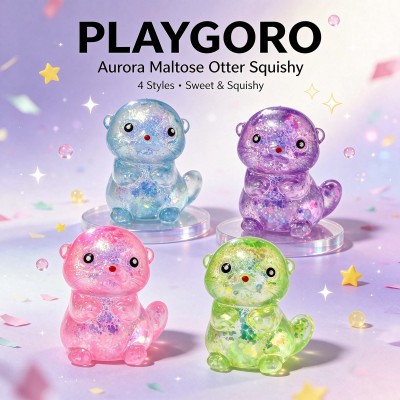
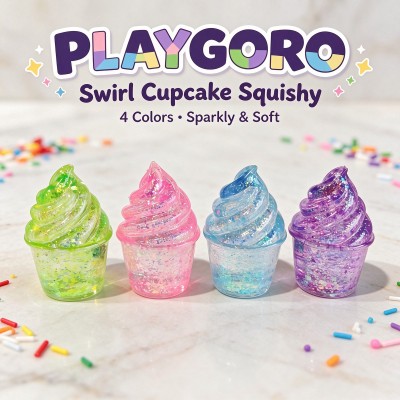
Playgoro sits deliberately on the unplugged side of this split: toy-grade TPR skins with a controlled ~8-second slow rise, maltose or flour fills, custom sculpting, private moulds and embossed branding, backed by GB 6675.14-2025 / CPSC-ASTM F963 / EN71-REACH documentation, material declarations and batch test reports. That is exactly the specification a "light hardware" buyer needs for the physical half of the product — and if a client wants an NFC tag, a QR link or a scannable identity, the toy body is the carrier we already know how to make. We are not betting against intelligence; we are betting that intelligence will keep needing something worth holding. The chip can change every season. The squeeze cannot.
Sources: China.com Tech (AI companion toys and the "light hardware" route, 14 Nov 2026); Verified Market Reports (Global Fidget Toys Market 2026–2034); Shop Speks / xshops1 (The Future of Fidget Toys: Emerging Trends in Sensory Design and Materials for 2026); PW Consulting (Worldwide Smart Connected Toy Market 2026; LEGO SMART Play at CES 2026); China Toy & Juvenile Products / ctoy.com.cn (140th Canton Fair toy exhibitor report); U.S. CPSC (water beads final rule, Dec 2025); European Commission (Toy Safety Regulation 2025/2509); Playgoro (Custom Squishy Toys: B2B Sourcing Guide).
All four illustrations are Playgoro's own product photos from playgoro.com.